

Wallpaper Calculator
Calculate the number of wallpaper rolls you need. Our estimator accounts for pattern repeat and waste, ensuring you buy the right amount. Professional-grade accuracy for your home projects.
Share This Professional Calculator
Found this helpful? Share it with your network to assist them with their home improvement projects.
About the Wallpaper Calculator
Calculate the number of wallpaper rolls you need. Our estimator accounts for pattern repeat and waste, ensuring you buy the right amount. This professional-grade tool is built for homeowners, contractors, and real estate professionals who need fast, reliable estimates without the complexity of manual spreadsheet calculations. Every formula used in this calculator is based on current industry standards, regional cost data, and actuarial benchmarks updated for 2025–2026.
Whether you are planning a new construction project, comparing renovation bids, or simply trying to budget for an upcoming home improvement, this calculator provides a transparent, step-by-step breakdown of costs and quantities. Unlike generic online estimators, HomeCalc Pro accounts for material waste factors, local labour cost differentials, and project-specific variables to give you a result you can actually use.
All results generated by this tool are estimates intended for planning and budgeting purposes. For final project quotes, we recommend consulting a licensed contractor or certified professional in your area. Explore our full library of 100+ professional calculators across HVAC, roofing, flooring, landscaping, mortgage finance, and construction materials to plan every aspect of your home project with confidence.
Expert Guide to Wallpaper
Step-by-Step Instructions
- 1
Step 1: Measure Total Wall Area
Measure the width and height of every wall you plan to paper. Calculate the square footage (Width x Height) and sum them.
- 2
Step 2: Subtract Large Openings
Subtract the area of large windows or double doors. For standard-sized windows, professionals often do not subtract them to ensure they have enough paper for the "wraps" into the window wells.
- 3
Step 3: Select Roll Size
Identify if you are using "American Rolls" (approx 27 sq ft) or "European/Metric Rolls" (approx 56 sq ft).
- 4
Step 4: Enter the Pattern Repeat
This is the most critical step. Find the "Repeat" number on the wallpaper label (usually in inches). A large repeat (e.g., 25 inches) requires much more waste to align the pattern.
- 5
Step 5: Review Roll Count
The tool provides the total number of rolls you need to buy.
Pro Tips & Analysis
The key to successful wallpapering is the Pattern Match and Waste Factor. There are three types of matches: Random Match (the easiest, no repeat needed), Straight Match (the pattern lines up horizontally), and Drop Match (the pattern shifts vertically at each seam). A "Drop Match" is the most beautiful but also the most wasteful; you may lose 20% or more of every roll just trying to align the image. Our calculator accounts for the "Repeat" distance to ensure you don't come up short on your last wall. Another vital consideration is the "Double Roll" vs "Single Roll" terminology. Most wallpaper is priced by the "Single Roll" but only sold in "Double Roll" bolts. This is an industry standard that causes immense confusion. Always check the total square footage listed on the bolt you are buying and compare it to our "Total Area Needed" result.
Don't overlook the Wall Preparation. Wallpaper is only as good as the surface beneath it. You must "Prime" the wall with a specialized wallpaper primer (like ShieldZ) before hanging. This creates a "slip" that allows you to move the paper into place easily and ensures the paper will be removable years later without damaging the drywall. Additionally, focus on the Adhesive Type. Some papers are "Pre-Pasted," while others require you to apply paste to the wall or the paper. Non-Woven papers are the most popular today because they are "Paste-the-Wall," which is much cleaner and faster for DIYers. Our tool helps you with the quantity, but choosing a high-quality "Heavy Duty" paste is what prevents the seams from peeling over time. Finally, remember to buy one "Extra Roll." Even with perfect math, accidents happen—a roll can be damaged during trimming or a mistake can be made in the pattern alignment. Having that extra roll from the same dye lot is the best insurance policy for your project.
Scientific Calculation Methodology
The number of rolls is (Total Area / (Roll Area - (Roll Width * Repeat))).
Practical Example:
A 200 sq ft room with rolls that have 25" repeats might need 12 rolls instead of the 8 rolls a simple area calculation would suggest.
Achieving Precision Results
Check every roll for the same "Dye Lot" or "Batch" number before you start; even a tiny color shift will be visible at the seams.
Use a "Smoothing Brush" or a plastic smoother to remove air bubbles, working from the center of the strip outward to the edges.
Change your utility knife blade every 2-3 strips; a dull blade will tear the wet paper rather than cutting it cleanly.
Wipe away any excess paste from the face of the wallpaper and the ceiling/trim immediately with a clean, damp sponge.
Let the wallpaper dry naturally; don't use fans or heaters, as this can cause the seams to shrink and open up.
Technical Fast Facts
- ✓Tiles from different "Batch" can have visible color variations.
- ✓A 10% waste factor is mandatory for wallpaper orders.
- ✓Pattern repeat adds significantly to the amount of paper needed.
- ✓Primer ensures a uniform surface and improves adhesion.
- ✓Wallpaper sealer can be applied to improve moisture resistance in bathrooms.
Expert Q&A
Explore Related Tools
Precision tools to complement your current calculation.
Flooring
Calculate the square footage of flooring needed for your project. Works for tile, laminate, or hardwood, including a vital waste factor.
Siding
Estimate the total siding material needed for your home. Calculate the squares of vinyl, fiber cement, or wood siding for your project.
Kitchen Remodel Estimator
Get a kitchen renovation cost estimate. Create a budget for your remodel based on kitchen size and quality of cabinets, countertops, and appliances.
Tile
Calculate how many tiles you need for a floor, wall, or backsplash. Our calculator accounts for grout lines and waste to ensure accuracy.
In-Depth Guides
Expert insights and advice to help you make informed home decisions.
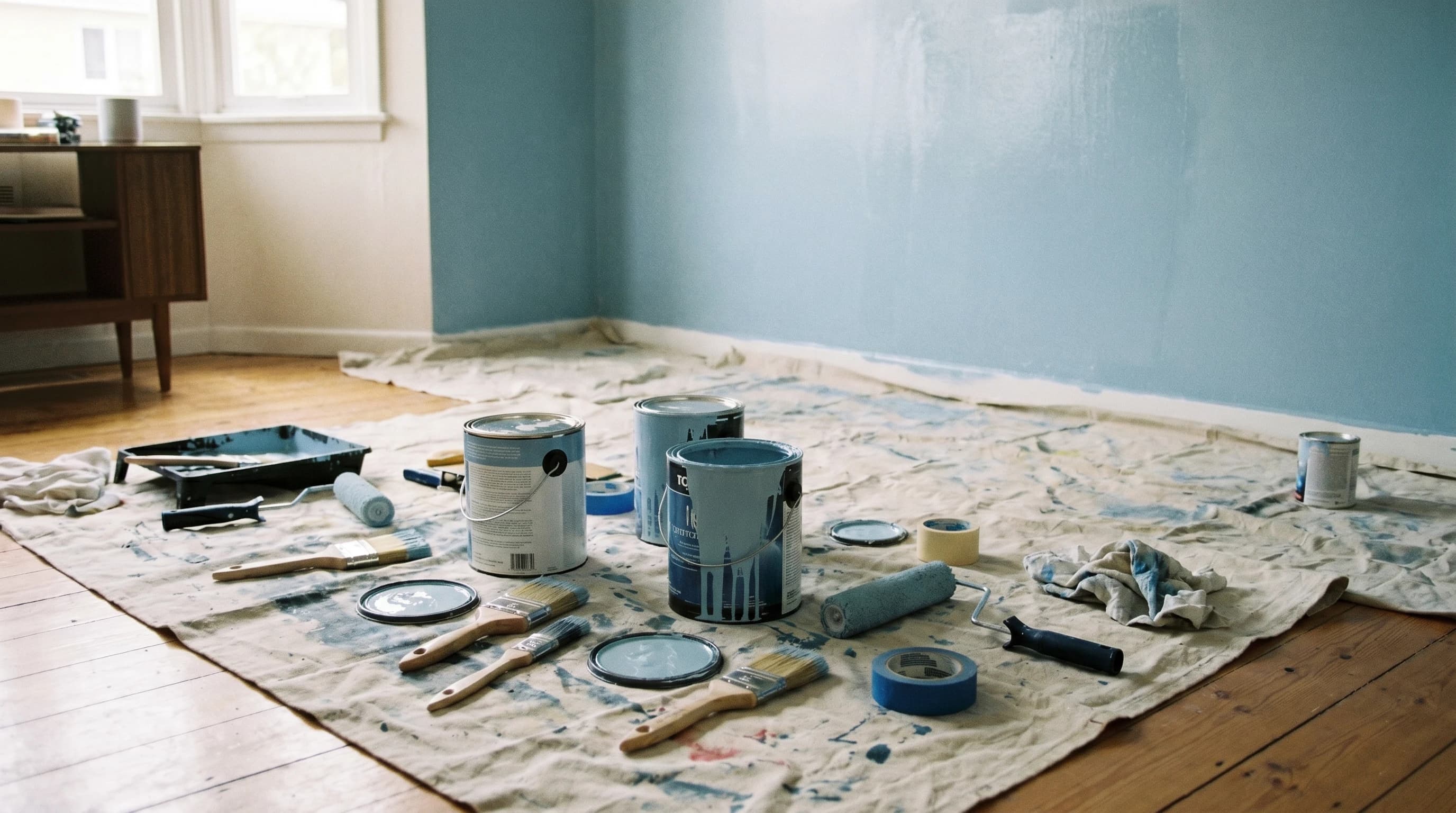
Paint Calculator Truth: Why 'Coverage' on the Can is Usually Wrong in 2026
Discover why the square footage on the paint can is a best-case scenario and how to calculate your real-world needs in 2026.
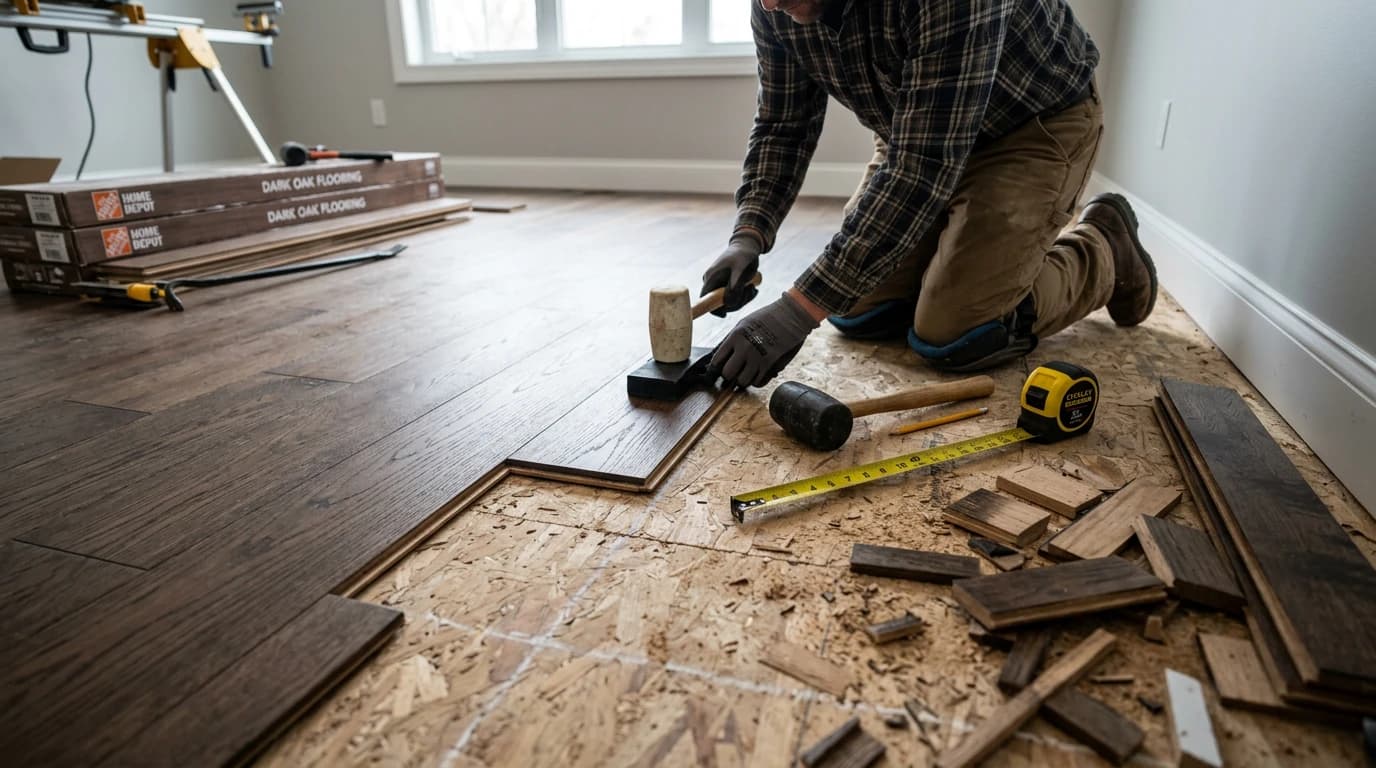
Flooring Waste Factor: Why You Need 10-15% Extra in 2026
Don't run out of flooring in 2026. Learn why you need 10-15% extra for waste, and why diagonal patterns or tile can require 20% or more.
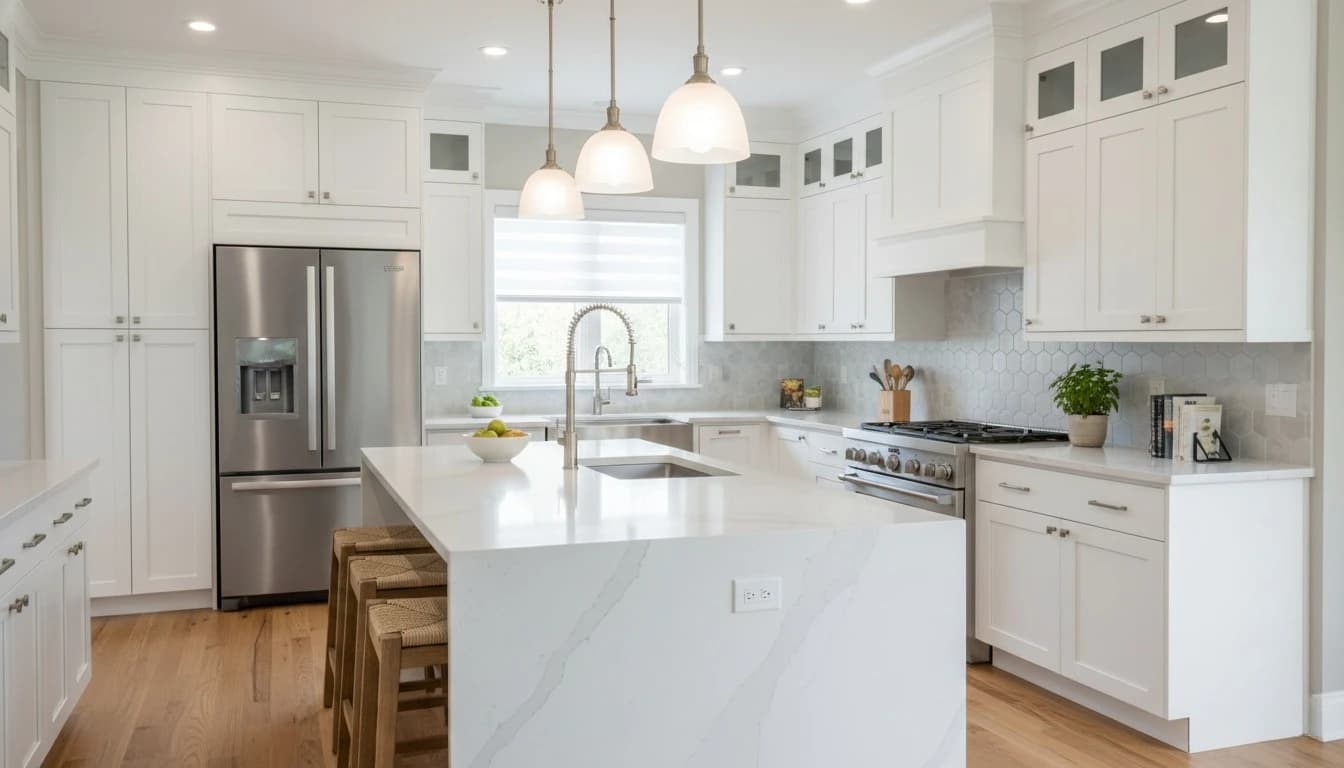
Kitchen Remodel Cost Guide 2026: Budgeting for Your Dream Space
The complete breakdown of kitchen renovation costs in 2026. From custom cabinetry to smart appliances, know where every dollar goes.