

Sand Calculator
Calculate the volume and weight of sand needed for pavers, sandboxes, or masonry. Estimates in cubic yards and tons. Professional-grade accuracy for your home projects.
How to use this calculator
Calculate the amount of gravel, sand, or crushed stone you need. Get estimates in cubic yards and tons for any landscape or driveway project.
Share This Professional Calculator
Found this helpful? Share it with your network to assist them with their home improvement projects.
Recommended Professional Tools
Precision-engineered calculators to streamline your most critical home project decisions.
Expert Guide to Sand
Step-by-Step Instructions
- 1
Step 1: Measure Your Project Area
Measure the length and width of the area to be covered in feet.
- 2
Step 2: Determine Required Depth
Input the thickness of the sand layer in inches. (Standard: 1" for paver leveling, 3-4" for sandboxes, 2" for pool bases).
- 3
Step 3: Select Sand Type
Choose between Masonry Sand (fine), Concrete Sand (coarse), or Polymeric Sand (for paver joints).
- 4
Step 4: Account for Moisture
If the sand is wet, it will be heavier and have less volume per ton. Our calculator uses a standard dry density of 1.35 tons per yard.
- 5
Step 5: Review Tons and Yards
The tool provides the total in both cubic yards and tons, as suppliers use both units.
Pro Tips & Analysis
The most important technical aspect of sand is its Gradation and Drainage. Not all sand is the same. Concrete Sand (or Sharp Sand) has larger, jagged particles that interlock, making it the perfect base for pavers and bricks because it won't "shift" under pressure. Masonry Sand is washed and screened to be very fine, making it ideal for the smooth mortar joints between bricks or for play areas like sandboxes. If you use fine masonry sand as a paver base, your patio will likely settle and become uneven within a year. Our calculator helps you get the quantity right, but choosing the right *type* of sand is what ensures your project stands the test of time.
Another vital consideration is Compaction and Bulking. Sand has a unique property where it actually "bulks" (increases in volume) when it is slightly damp, then shrinks significantly when it is fully saturated or compacted. If you are filling a sandbox, we recommend ordering 15% more than the calculated volume to account for the natural settling and the loss of material that occurs during spreading. For Polymeric Sand (the specialized sand used to "glue" paver joints together), the calculation is different—it is based on the size of the pavers and the width of the joints. Our tool provides a general volume, but always check the manufacturer's coverage rate for polymeric products. Finally, remember that sand is a "porous" material; it allows water to flow through it, which is why it is used as a filtration layer. Ensure your sub-base (the dirt underneath) is properly graded to move that water away from your house foundation.
Scientific Calculation Methodology
Volume is Length x Width x Depth. Weight is Volume x Density (approx 1.35 tons/yard).
Practical Example:
A 10x10 sandbox with 4 inches of sand: (10x10x0.33)/27 = 1.2 yards = 1.6 tons.
Achieving Precision Results
Use "Washed" sand for any project where children will be playing to ensure it is free of dust and contaminants.
If using sand as a paver base, use "screed pipes" (usually 1-inch conduit) to ensure the sand layer is perfectly level across the entire area.
Never use "Play Sand" for masonry work; it lacks the structural grit needed to hold mortar together.
Cover your sandbox when not in use to prevent local cats and wildlife from using it as a litter box.
If ordering a large quantity, verify that the delivery truck can access your drop-off point without driving over delicate septic lines or sidewalks.
Technical Fast Facts
- ✓One cubic yard of sand weighs between 2,600 and 3,000 lbs depending on moisture.
- ✓Concrete sand (sharp sand) is the best base for interlocking pavers.
- ✓Masonry sand is screened fine for use in mortar joints and sandboxes.
- ✓Sand "bulks" (increases in volume) when damp, requiring a 10-15% overage.
- ✓A 1-inch leveling bed of sand is standard for most paver patio installations.
Expert Q&A
Explore Related Tools
Precision tools to complement your current calculation.
Driveway Materials
Estimate gravel, concrete, or asphalt needed for a new driveway. Includes base material and top layer calculations.
Concrete
Calculate concrete volume in cubic yards and bags. Our concrete slab calculator makes it easy to estimate materials for your patio or footing.
Gravel
Calculate the amount of gravel or crushed stone you need. Get project estimates in cubic yards and tons for any landscape or driveway project.
Roofing Materials
Estimate your roofing materials needs. Calculate the number of shingle bundles and roofing squares required based on your roof's area and pitch.
In-Depth Guides
Expert insights and advice to help you make informed home decisions.
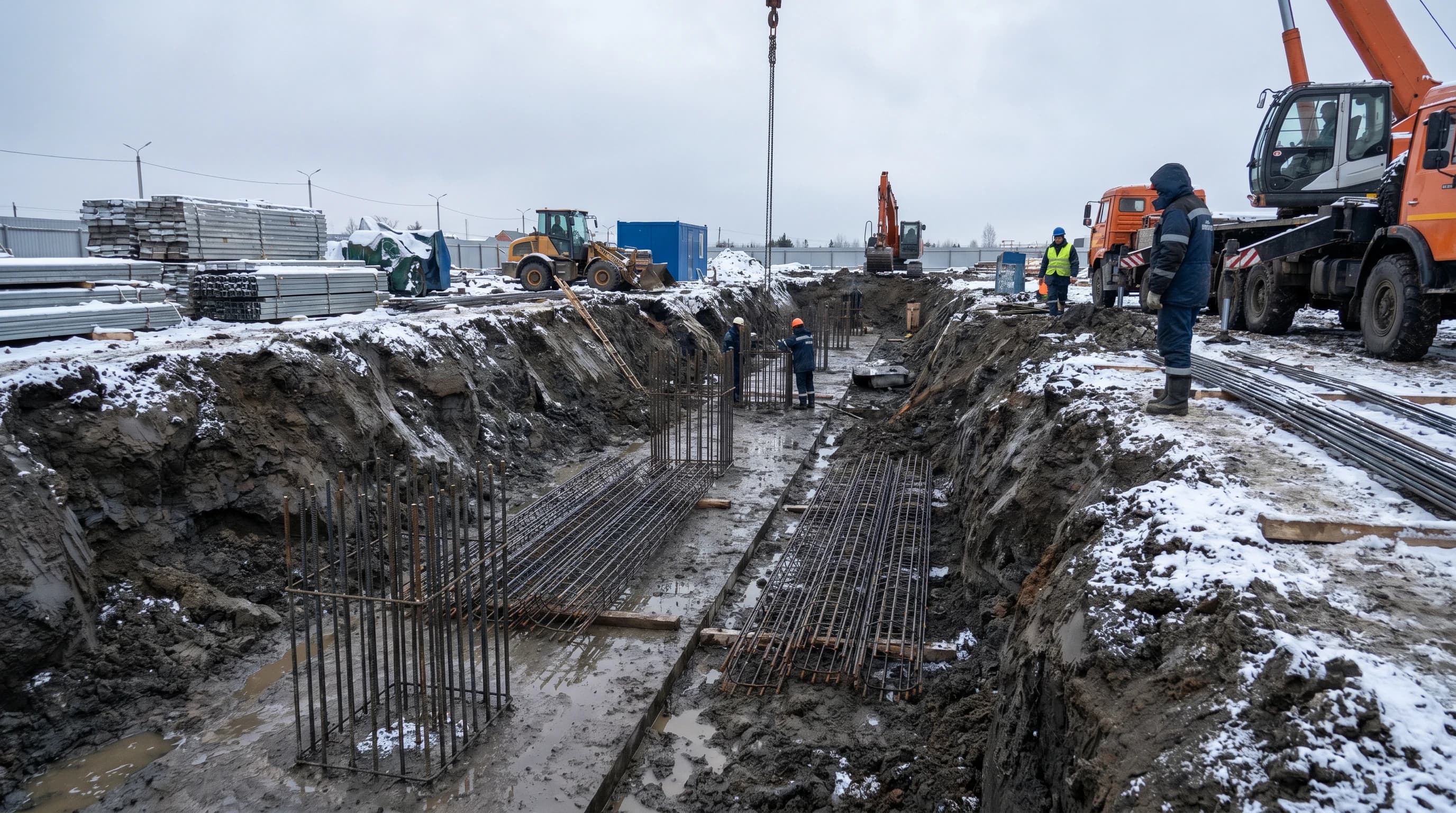
Foundation Footing Depth for Cold Climates: 2026 IRC Rules
A deep dive into 2026 IRC requirements for foundation footings in cold climates. Learn about frost line maps, thickened slab edges, and protecting foundations from frost heave.
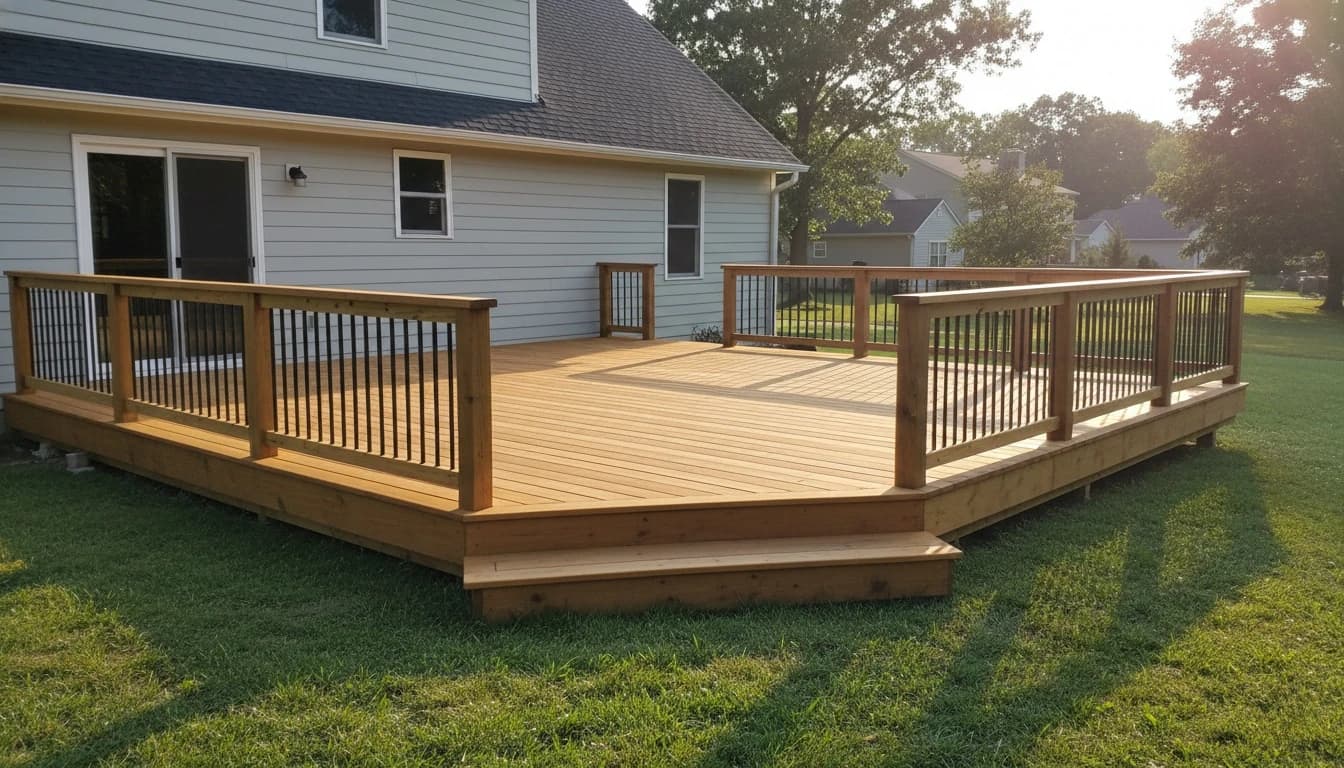
Deck Footing Depth 101: 2026 Guide to Digging Below the Frost Line
Learn the fundamental rule for deck construction in 2026: digging footings below the local frost line. We cover 2026 IRC requirements.
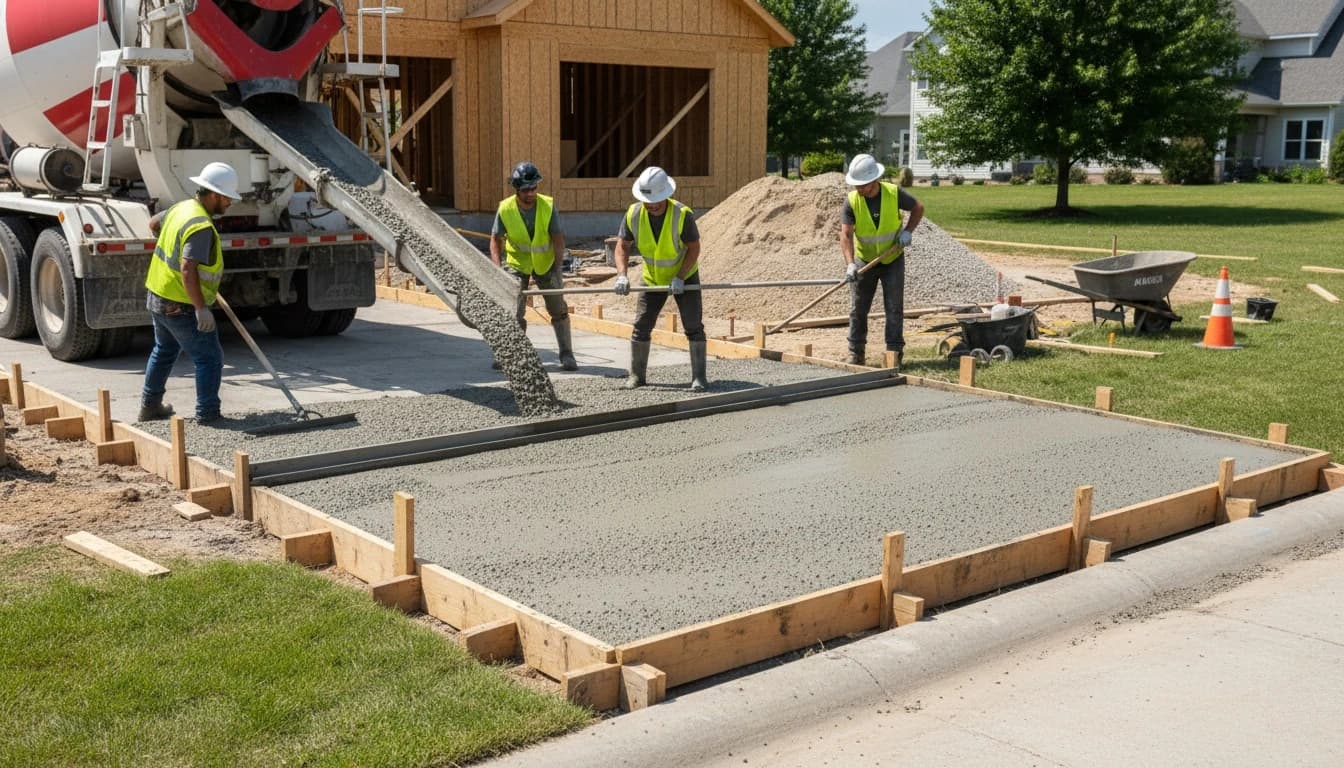
How to Calculate Concrete: The Ultimate 2026 Material Guide
Master concrete volumetric math for slabs, footings, and stairs in 2026. Learn the 10% waste rule and how to choose between ready-mix and bags.