

Framing Calculator
Estimate the number of studs and top/bottom plates needed for a wall project. Includes common spacing options. Professional-grade accuracy for your home projects.
Share This Professional Calculator
Found this helpful? Share it with your network to assist them with their home improvement projects.
Recommended Professional Tools
Precision-engineered calculators to streamline your most critical home project decisions.
Expert Guide to Framing
Step-by-Step Instructions
- 1
Step 1: Measure Total Wall Length
Measure the length of the wall you intend to build in feet.
- 2
Step 2: Select Stud Spacing
Choose "16 inches On-Center" (standard for load-bearing walls) or "24 inches On-Center" (common for non-structural interior walls).
- 3
Step 3: Define Plate Requirements
Specify if you are using a single or double "Top Plate." (Most codes require a double top plate for load-bearing walls).
- 4
Step 4: Account for Openings
For every door or window, you will need extra "King Studs" and "Jack Studs" to support the header. Our calculator provides a baseline that you should adjust for these openings.
- 5
Step 5: Review Material List
Review the total number of studs and the linear feet of plate lumber needed.
Pro Tips & Analysis
The most important rule in framing is "On-Center" (OC) Spacing. This measurement is not the gap between the studs, but the distance from the center of one stud to the center of the next. This is critical because building materials like drywall and OSB (sheathing) are sold in 4-foot and 8-foot increments. If your studs are correctly spaced at 16 or 24 inches OC, the edge of every drywall sheet will land perfectly in the middle of a stud, providing a solid surface for fastening. Our calculator provides the "Stud Count" based on this geometry. Additionally, focus on the Crown of the Wood. Every piece of lumber has a slight natural curve (the crown). Professionals always install studs with the crown facing the same direction—usually outward—so that the finished wall is straight rather than having "waves."
Another vital consideration is the Plates and Fireblocking. A standard wall has one "Bottom Plate" (which must be pressure-treated if it is in contact with concrete) and two "Top Plates." The double top plate is essential because it "ties" the walls together and allows for the weight of the rafters or the second floor to be distributed evenly, even if they don't line up perfectly with the studs below. Our tool calculates the linear footage for these plates to ensure your lumber order is complete. Finally, don't forget about Fireblocking. In walls over 10 feet tall, or at certain intersections, you must install horizontal blocks of wood between the studs to prevent fire from "chimneying" through the wall cavity. While our tool provides the main structure, adding 10% to your lumber order for these blocks and for "cripple studs" above windows and doors is a professional best practice. Using high-quality, straight lumber for your framing is the only way to ensure your drywall, cabinets, and trim all install perfectly later on.
Scientific Calculation Methodology
Stud count is (Wall Length / Spacing) + 1, plus plates and corner waste.
Practical Example:
A 12-ft wall at 16" OC: (12 / 1.33) + 1 = 10 studs. Plus 36 linear feet of plates.
Achieving Precision Results
Use "Pre-Cut" studs (92.625 inches) for a standard 8-foot ceiling to save time and reduce waste.
Always use "Construction Adhesive" on the bottom plate before nailing it to a subfloor to prevent squeaks.
Install "Deadwood" (extra backing) in the corners so you have a surface to nail your drywall to.
Check every wall for "Plumb" and "Square" as you go; it is much easier to fix a leaning wall before the roof is on.
Use a "Framing Square" or a "Speed Square" to ensure your studs are perfectly 90 degrees to the plates.
Technical Fast Facts
- ✓16 inches on-center is the standard spacing for load-bearing walls.
- ✓A double top plate is required to "tie" intersecting walls together.
- ✓Kiln-dried SPF (Spruce-Pine-Fir) is the standard for interior framing.
- ✓Pressure-treated lumber must be used for any wood in contact with concrete.
- ✓Fireblocking is required in walls over 10 feet tall to prevent fire spread.
Expert Q&A
Explore Related Tools
Precision tools to complement your current calculation.
Driveway Materials
Estimate gravel, concrete, or asphalt needed for a new driveway. Includes base material and top layer calculations.
Concrete
Calculate concrete volume in cubic yards and bags. Our concrete slab calculator makes it easy to estimate materials for your patio or footing.
Gravel
Calculate the amount of gravel or crushed stone you need. Get project estimates in cubic yards and tons for any landscape or driveway project.
Roofing Materials
Estimate your roofing materials needs. Calculate the number of shingle bundles and roofing squares required based on your roof's area and pitch.
In-Depth Guides
Expert insights and advice to help you make informed home decisions.
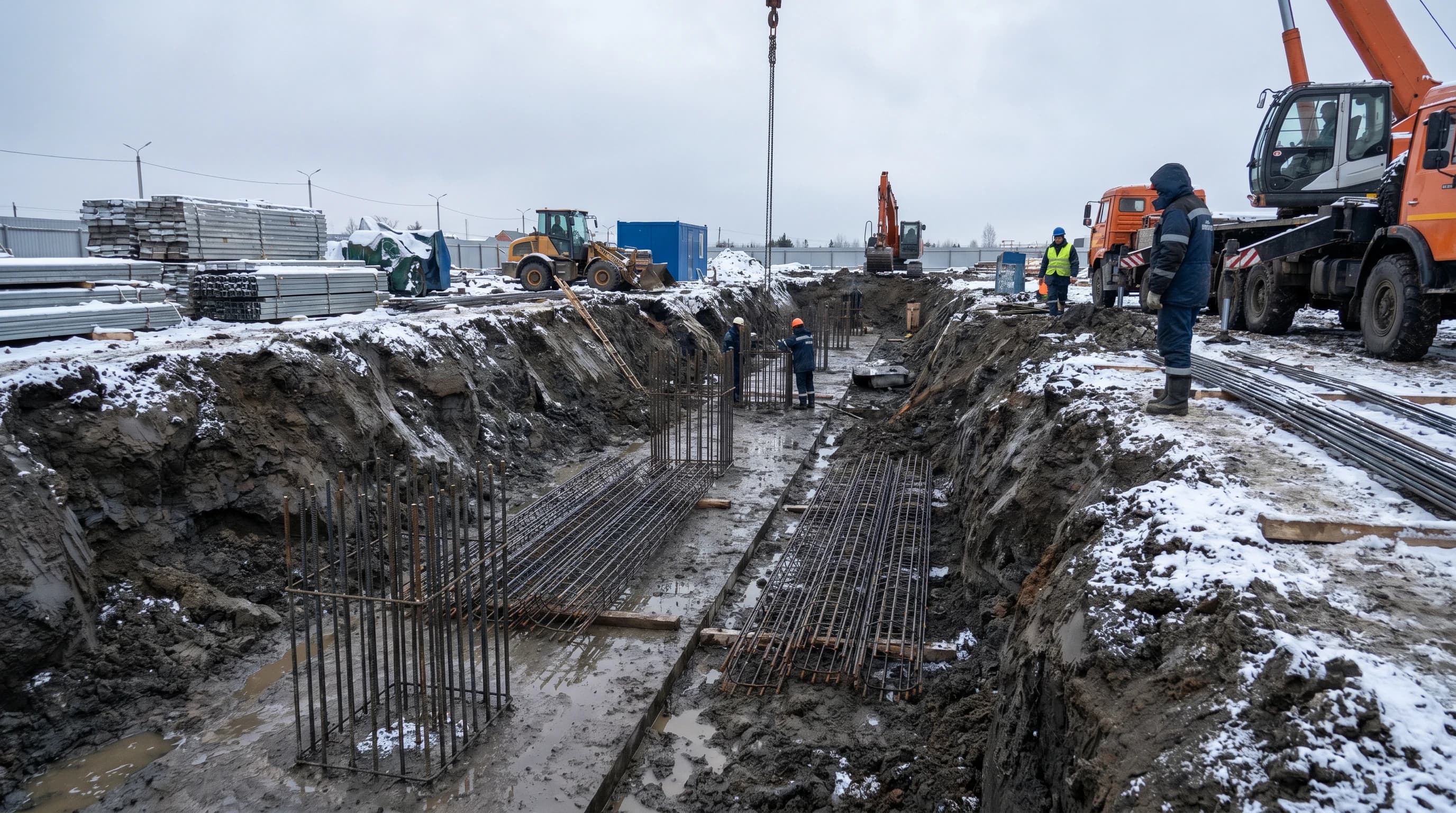
Foundation Footing Depth for Cold Climates: 2026 IRC Rules
A deep dive into 2026 IRC requirements for foundation footings in cold climates. Learn about frost line maps, thickened slab edges, and protecting foundations from frost heave.
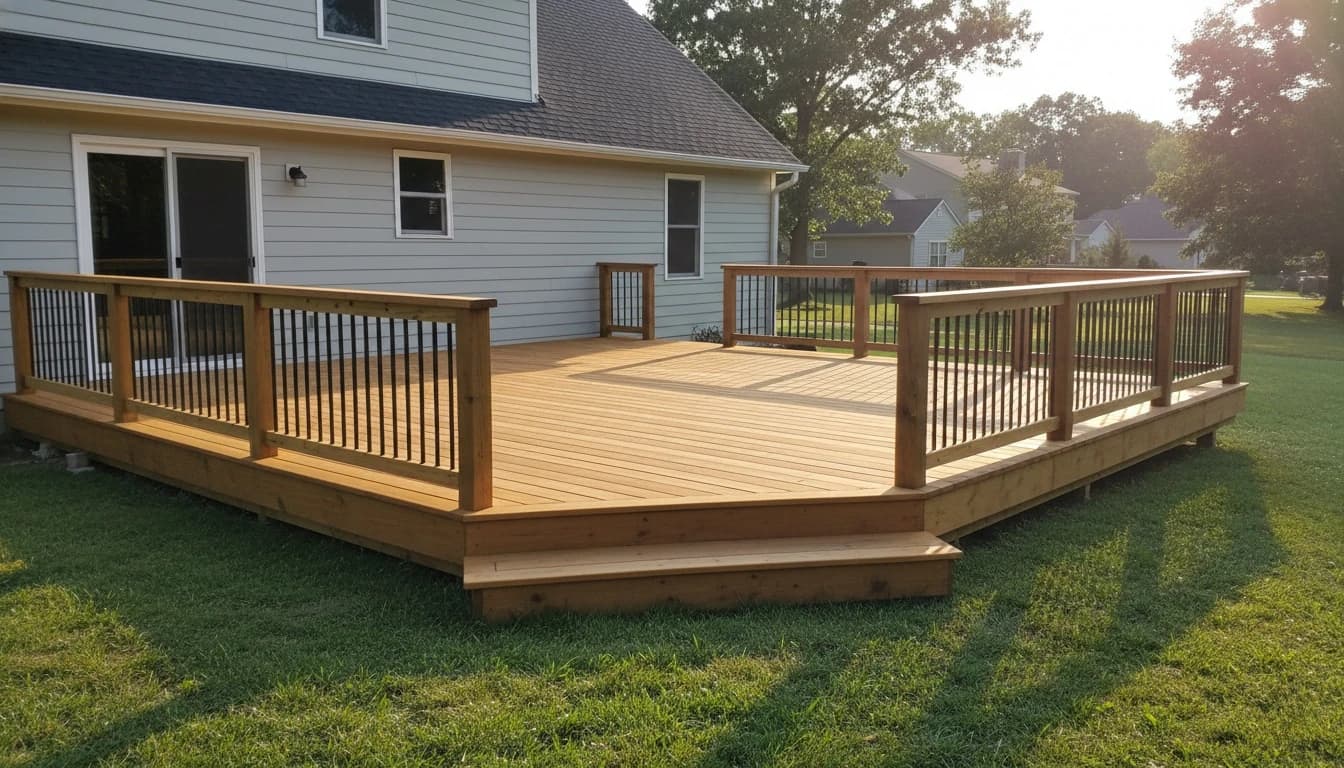
Deck Footing Depth 101: 2026 Guide to Digging Below the Frost Line
Learn the fundamental rule for deck construction in 2026: digging footings below the local frost line. We cover 2026 IRC requirements.
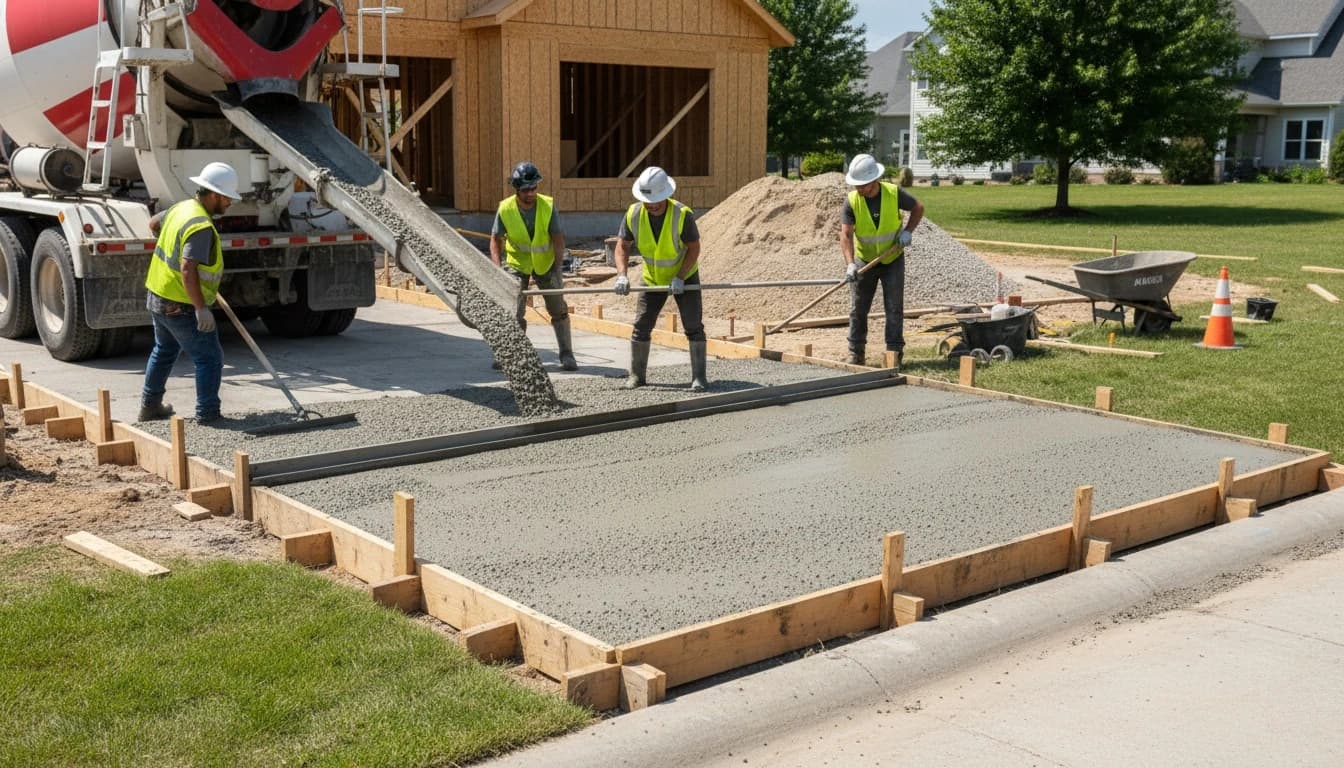
How to Calculate Concrete: The Ultimate 2026 Material Guide
Master concrete volumetric math for slabs, footings, and stairs in 2026. Learn the 10% waste rule and how to choose between ready-mix and bags.