

Gravel Calculator
Calculate the amount of gravel or crushed stone you need. Get project estimates in cubic yards and tons for any landscape or driveway project. Professional-grade accuracy for your home projects.
How to use this calculator
Calculate the amount of gravel, sand, or crushed stone you need. Get estimates in cubic yards and tons for any landscape or driveway project.
Share This Professional Calculator
Found this helpful? Share it with your network to assist them with their home improvement projects.
About the Gravel Calculator
Calculate the amount of gravel or crushed stone you need. Get project estimates in cubic yards and tons for any landscape or driveway project. This professional-grade tool is built for homeowners, contractors, and real estate professionals who need fast, reliable estimates without the complexity of manual spreadsheet calculations. Every formula used in this calculator is based on current industry standards, regional cost data, and actuarial benchmarks updated for 2025–2026.
Whether you are planning a new construction project, comparing renovation bids, or simply trying to budget for an upcoming home improvement, this calculator provides a transparent, step-by-step breakdown of costs and quantities. Unlike generic online estimators, HomeCalc Pro accounts for material waste factors, local labour cost differentials, and project-specific variables to give you a result you can actually use.
All results generated by this tool are estimates intended for planning and budgeting purposes. For final project quotes, we recommend consulting a licensed contractor or certified professional in your area. Explore our full library of 100+ professional calculators across HVAC, roofing, flooring, landscaping, mortgage finance, and construction materials to plan every aspect of your home project with confidence.
Expert Guide to Gravel
Step-by-Step Instructions
- 1
Step 1: Measure Your Project Area
Measure the length and width of the area in feet. For curved driveways, measure the average width and the total centerline length.
- 2
Step 2: Determine Desired Depth
Choose the thickness of the gravel layer in inches. (Standard: 2-3" for paths, 4-6" for driveways, 6-8" for heavy-duty bases).
- 3
Step 3: Select Gravel Type
Choose the type of stone (e.g., Pea Gravel, #57 Crushed Stone, or Crusher Run). This determines the density and compaction rate.
- 4
Step 4: Account for Compaction
If you are using "Crusher Run" or a base material that will be vibrated/rolled, add 15-20% to your volume to account for material settling.
- 5
Step 5: Review Tons and Yards
Our tool provides the total in both cubic yards (volume) and tons (weight), as quarries sell by both units.
Pro Tips & Analysis
The key to a successful gravel project is Sub-Base Preparation. You cannot simply pour gravel onto bare soil and expect it to stay there. Over time, the gravel will sink into the dirt, creating mud and ruts. Professionals always use a Geotextile Fabric (weed barrier) between the soil and the gravel. This fabric prevents the two layers from mixing while still allowing water to drain. For driveways, a "multi-layer" approach is best: start with a 4-inch base of large #3 or #4 crushed stone for drainage, followed by a 2-inch "topping" of smaller #57 stone. Our calculator allows you to estimate each layer separately to ensure your driveway has the structural integrity to support vehicles without shifting.
Understanding the difference between Weight and Volume is critical when ordering. Gravel is typically sold by the "ton," but it is measured by the "cubic yard." One cubic yard of standard crushed stone weighs approximately 2,800 to 3,000 pounds (1.4 to 1.5 tons). However, wet gravel or denser stones like granite can weigh significantly more. Our tool uses a standard conversion factor of 1.4 tons per yard, which is the industry average for dry construction gravel. Always check with your local supplier for the specific "density" of their stone to refine your order. Additionally, consider the Delivery Access; a standard dump truck can carry 10-15 tons. If your project requires 20 tons, you will need to budget for two delivery fees.
Scientific Calculation Methodology
Volume is Length x Width x Depth. Weight is Volume x Density.
Practical Example:
A 20x20 patio with 3 inches of gravel: (20 x 20 x 0.25) / 27 = 3.7 yards. 3.7 x 1.4 = 5.2 tons.
Achieving Precision Results
Order 10% more than the calculated amount to account for low spots in the sub-grade and material lost during spreading.
Use a landscape rake to spread gravel; it has wider teeth than a garden rake and will help you achieve a perfectly level surface.
For driveways, use "Crushed Concrete" or "Recycled Asphalt" as a budget-friendly base layer.
Install a solid border (wood, plastic, or metal edging) to keep your gravel from migrating into your lawn or flower beds.
If your gravel is for drainage (like a French drain), use "washed" stone that is free of "fines" (dust) to prevent clogging.
Technical Fast Facts
- ✓One cubic yard of gravel weighs approximately 1.4 tons (2,800 lbs).
- ✓Standard dump trucks carry 10-15 tons of material per load.
- ✓A 4-inch depth is the minimum recommended for a stable gravel driveway.
- ✓Geotextile fabric prevents gravel from sinking into the subsoil over time.
- ✓Crushed stone #57 is the most common size for residential driveways.
Expert Q&A
Explore Related Tools
Precision tools to complement your current calculation.
Driveway Materials
Estimate gravel, concrete, or asphalt needed for a new driveway. Includes base material and top layer calculations.
Concrete
Calculate concrete volume in cubic yards and bags. Our concrete slab calculator makes it easy to estimate materials for your patio or footing.
Roofing Materials
Estimate your roofing materials needs. Calculate the number of shingle bundles and roofing squares required based on your roof's area and pitch.
Drywall
Estimate your drywall project materials. Calculate the number of drywall sheets, screws, and joint compound you need for your walls or ceiling.
In-Depth Guides
Expert insights and advice to help you make informed home decisions.
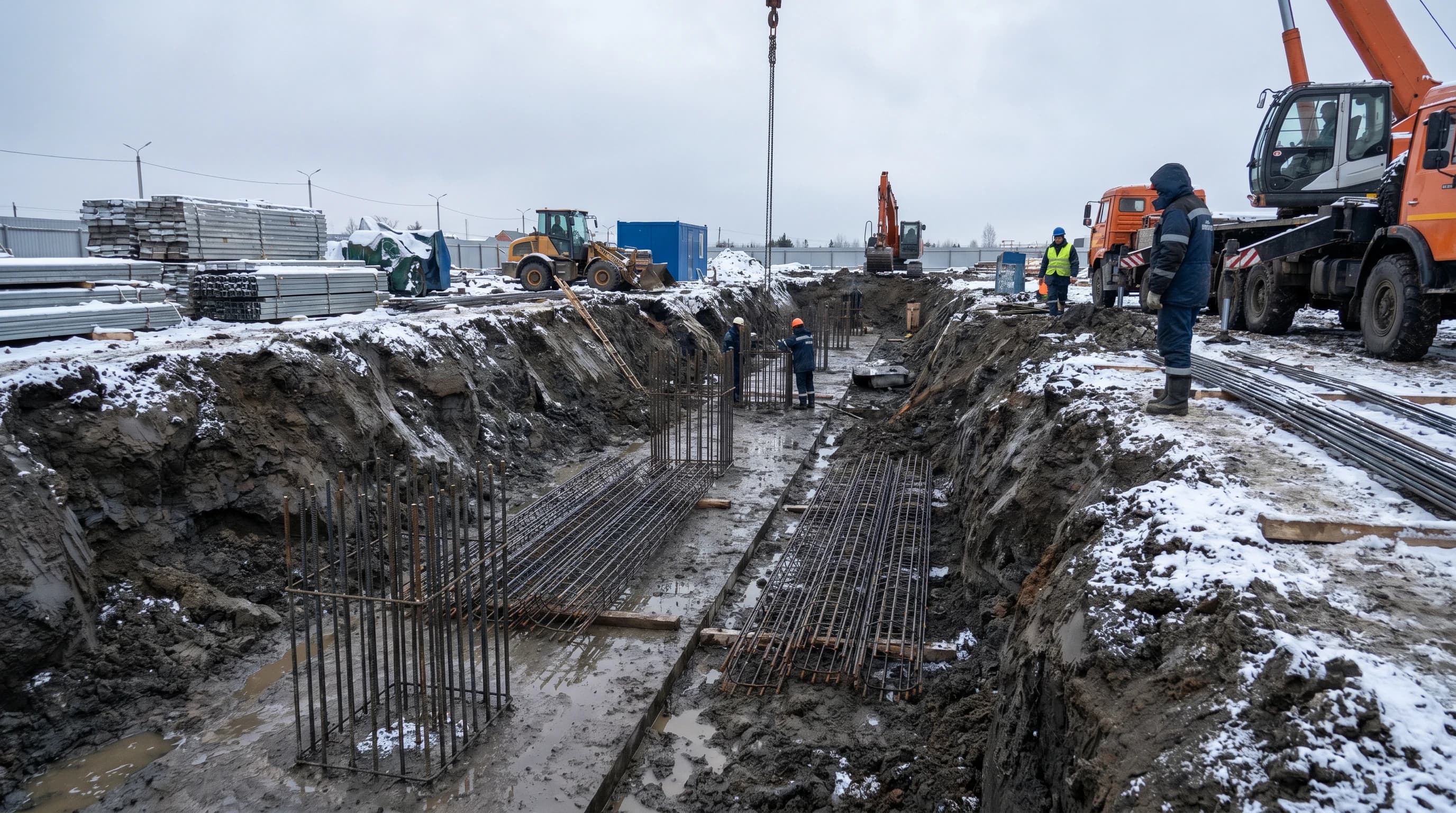
Foundation Footing Depth for Cold Climates: 2026 IRC Rules
A deep dive into 2026 IRC requirements for foundation footings in cold climates. Learn about frost line maps, thickened slab edges, and protecting foundations from frost heave.
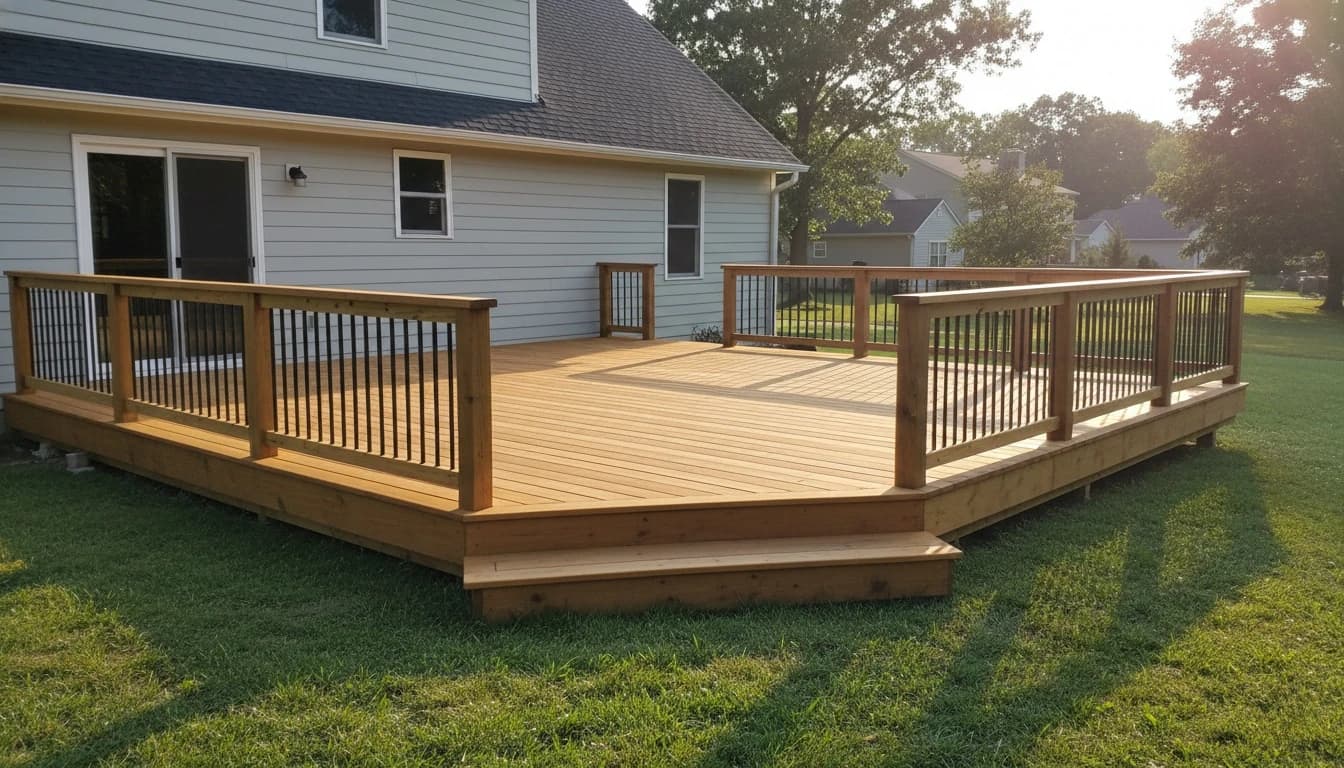
Deck Footing Depth 101: 2026 Guide to Digging Below the Frost Line
Learn the fundamental rule for deck construction in 2026: digging footings below the local frost line. We cover 2026 IRC requirements.
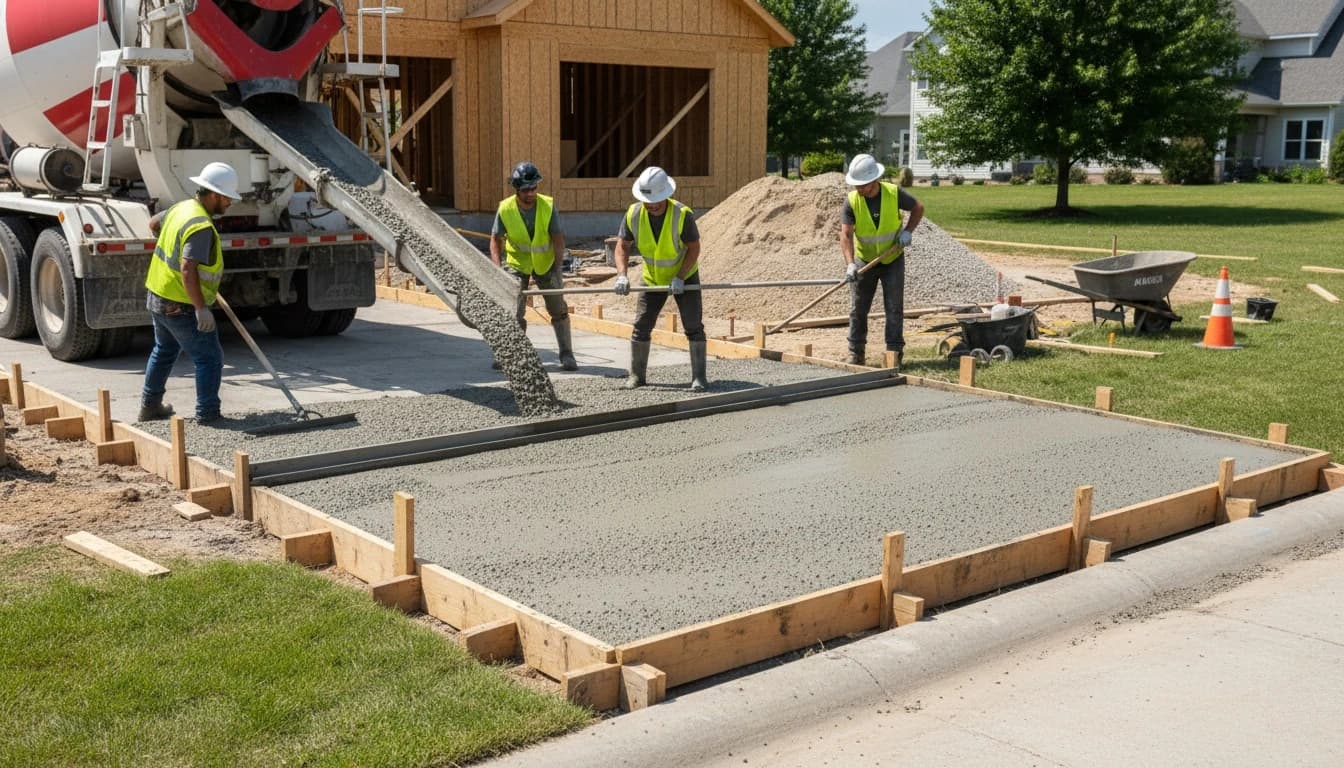
How to Calculate Concrete: The Ultimate 2026 Material Guide
Master concrete volumetric math for slabs, footings, and stairs in 2026. Learn the 10% waste rule and how to choose between ready-mix and bags.