

SEER Savings Calculator
Estimate your annual savings by upgrading to a high-efficiency AC unit. See your potential cost reduction and payback period with a new SEER2 system. Professional-grade accuracy for your home projects.
How to use this calculator
See how much you could save by upgrading to a more energy-efficient AC unit. A higher SEER2 (Seasonal Energy Efficiency Ratio 2) rating means lower energy bills. You can find the rating on your unit's yellow EnergyGuide label.
Share This Professional Calculator
Found this helpful? Share it with your network to assist them with their home improvement projects.
Expert Guide to SEER Savings
Plan your project with precision using our 2026 standardized calculator.
Step-by-Step Instructions
- 1
Step 1: Identify Your Current SEER/SEER2
Find the rating on the manufacturer's label of your outdoor unit. Older units are usually 10-13; modern standards start at 14.3 (SEER2).
- 2
Step 2: Enter System Size (Tonnage)
Input the cooling capacity of your unit (standard sizes are 1.5 to 5 tons).
- 3
Step 3: Choose New SEER2 Target
Select the efficiency of the new unit you are considering (e.g., 16, 18, or 20 SEER2).
- 4
Step 4: Input Electricity Rate
Enter your local cost per kWh from your utility bill.
- 5
Step 5: Review Savings and Payback
Review the estimated monthly and annual savings, plus the "Lifetime Savings" over the 15-year life of the system.
Pro Tips & Analysis
The most important technical change in 2023 was the transition from SEER to SEER2. SEER2 is a more accurate measurement that accounts for the higher "external static pressure" found in real-world ductwork. Generally, a SEER2 rating is about 4.5% lower than the old SEER rating for the same piece of equipment (e.g., a 15 SEER unit is roughly equivalent to a 14.3 SEER2 unit). Our calculator handles these conversions to ensure you are making an "apples-to-apples" comparison. When shopping for a new AC, look for units that are Energy Star Cold Climate certified, as these often offer the best balance of efficiency and performance across all temperature ranges.
Beyond the rating itself, Operating Conditions dictate your actual savings. A high-efficiency unit will only reach its rated SEER2 if the ductwork is sealed and the refrigerant charge is perfect. Professionals use "Digital Manifolds" to ensure the system is tuned to the manufacturer's exact specifications. Our tool provides the "Potential Savings," but if your ducts are leaking air into your attic, you may only see 70% of those gains. We recommend using this calculator in conjunction with our "Attic Insulation" tool to maximize your home's thermal efficiency. Finally, remember that Variable-Speed Technology is what enables the highest SEER2 ratings. While a "Single-Stage" unit is either 100% on or 100% off, a variable-speed unit can run at 25% capacity for long periods, which removes more humidity and uses significantly less power. Our tool allows you to see the financial benefit of these premium systems, helping you decide if the higher upfront price is worth the decade of lower utility bills.
Scientific Calculation Methodology
Annual savings is (Annual Hours x BTU / Current SEER) - (Annual Hours x BTU / New SEER) multiplied by the kWh rate.
Savings = (WattsSaved / 1000) * OperatingHours * Rate
Practical Example:
Upgrading a 3-ton unit from 10 SEER to 20 SEER saves approx $450/year at $0.15/kWh with 1,000 hours of use.
Achieving Precision Results
1
If you live in a very hot climate (Zone 1 or 2), prioritize the highest SEER2 rating you can afford; the ROI is much faster.
2
Always replace the "Indoor Evaporator Coil" with the outdoor unit; using an old coil will drastically reduce your SEER2 rating.
3
Keep your outdoor unit clear of weeds and debris to ensure maximum heat transfer and efficiency.
4
Use a programmable thermostat to reduce cooling when you aren't home; this "compounds" your SEER savings.
5
Check for local "Demand Response" programs where your utility pays you to reduce AC usage during peak grid events.
Technical Fast Facts
- ✓SEER (Seasonal Energy Efficiency Ratio) measures cooling efficiency over a season.
- ✓Moving from 10 SEER to 20 SEER can cut cooling electricity costs by 50%.
- ✓High SEER units often qualify for federal 25C tax credits up to $600.
- ✓The "Payback Period" for high SEER varies significantly by regional electricity rates.
- ✓Proper unit sizing is more important for comfort than just a high SEER number.
Expert Q&A
Explore Related Tools
Precision tools to complement your current calculation.
HVAC Load
Free Manual J load calculation. Get accurate BTU requirements for your home to choose the right size furnace and AC system. Avoid costly mistakes.
hvac heating cooling
Thermostat Savings
See how much you can save on your energy bill. Calculate annual savings from using a programmable or smart thermostat with temperature setbacks.
hvac heating cooling
Solar Savings
Estimate your potential savings from a home solar panel system. Calculate the payback period and your return on investment (ROI).
energy utilities
Electricity Bill
Project monthly and annual electricity costs based on appliance use.
energy utilities
In-Depth Guides
Expert insights and advice to help you make informed home decisions.
Read Article
HVAC 5 Min Read
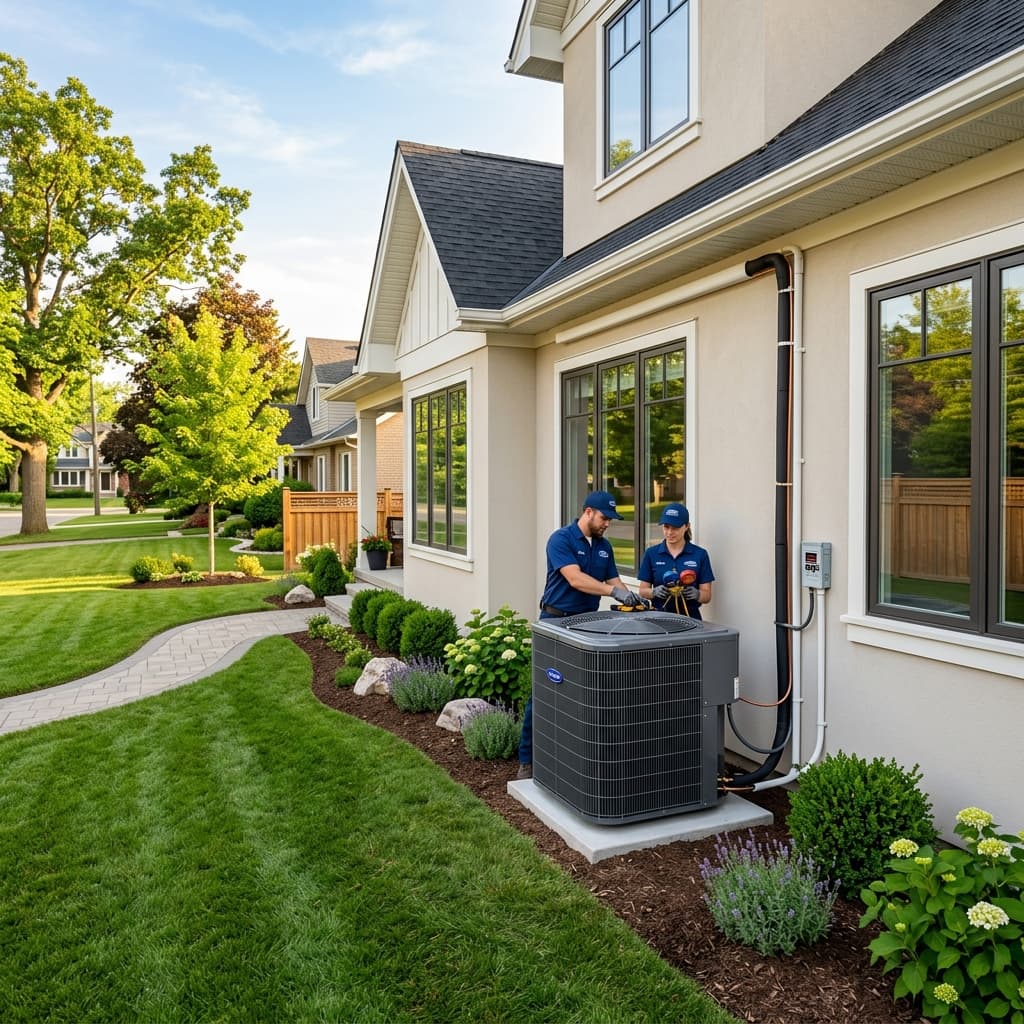
HVAC Sizing Guide 2026: Stop Guessing, Start Calculating
The definitive guide to sizing your air conditioner and furnace in 2026. Learn why the '500 sq ft per ton' rule is obsolete and how Manual J calculations ensure perfect sizing.
Read Article
HVAC 5 Min Read
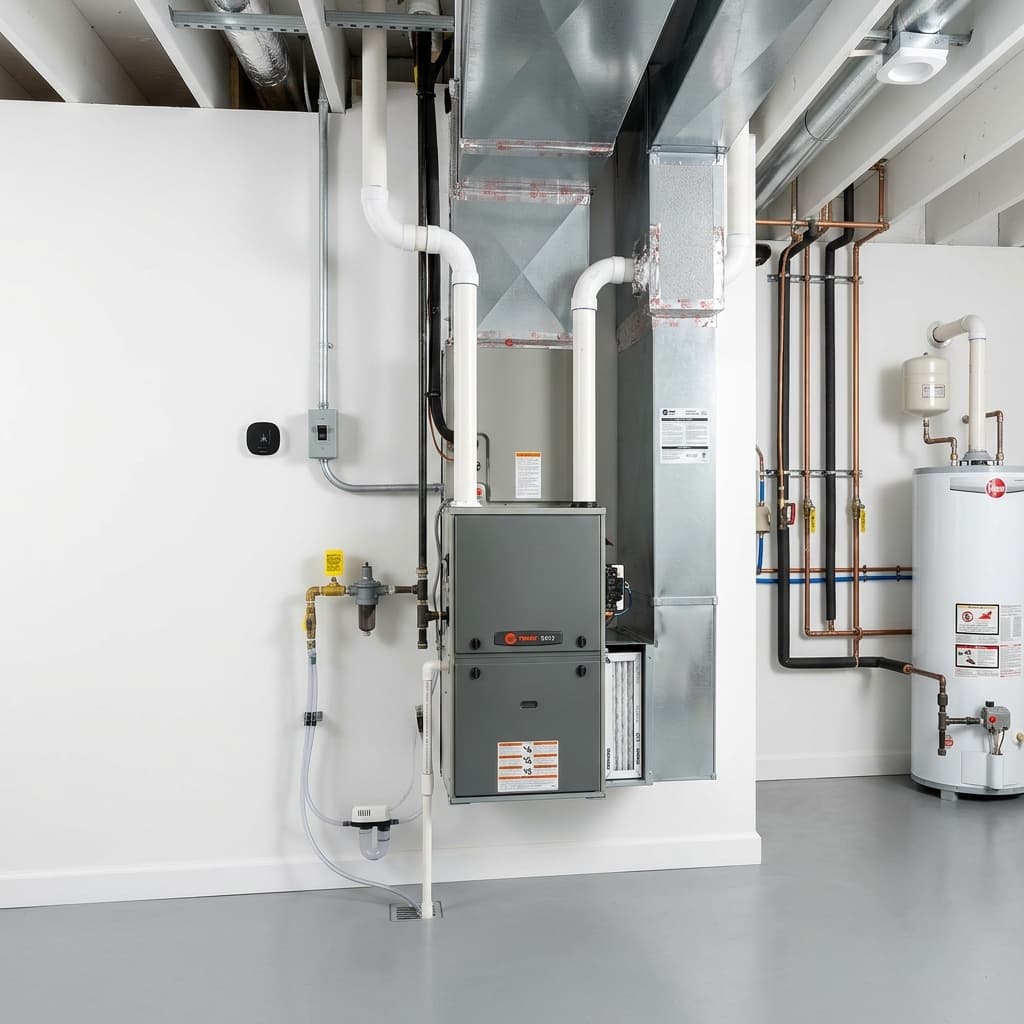
What is AFUE? Understanding Furnace Efficiency Ratings
A complete guide to AFUE (Annual Fuel Utilization Efficiency). Learn what the percentage means, the difference between 80% and 95% furnaces, and how to choose the right one in 2026.
Read Article
HVAC 5 Min Read
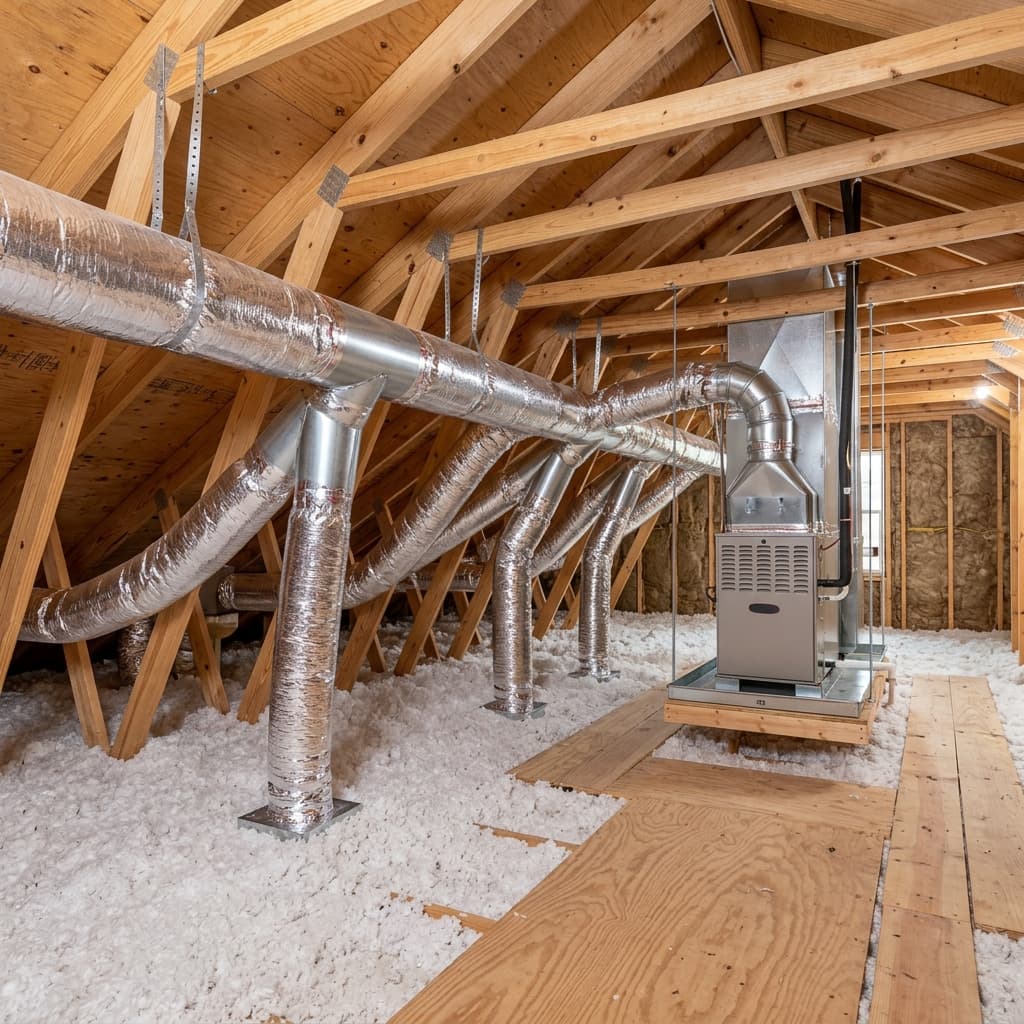
Ductwork Design (Manual D): The Unseen Key to HVAC Performance
Your HVAC system is only as good as its ductwork. Learn what ACCA Manual D is, why it's critical for airflow, and how improper ducts waste thousands in 2026.