

Attic Insulation Calculator
Find out how many bags of blown-in insulation you need. Calculate the material required to reach your attic's recommended R-value for your zone. Professional-grade accuracy for your home projects.
How to use this calculator
Proper attic insulation is key to energy efficiency. This tool helps you determine how much new insulation you need to meet Department of Energy recommendations for your climate zone.
Share This Professional Calculator
Found this helpful? Share it with your network to assist them with their home improvement projects.
Expert Guide to Attic Insulation
Plan your project with precision using our 2026 standardized calculator.
Step-by-Step Instructions
- 1
Step 1: Measure Attic Square Footage
Measure the length and width of your attic floor. Be sure to subtract areas for utility chases or large skylight wells.
- 2
Step 2: Identify Current Insulation
Measure the depth of your existing insulation in inches and identify the type (e.g., fiberglass batts, loose-fill cellulose).
- 3
Step 3: Select Your Climate Zone
Identify your zone (1-7) based on the DOE map. Northern zones require much higher R-values (R-49 to R-60) than southern zones (R-30 to R-38).
- 4
Step 4: Choose Material Type
Select between Blown-in Cellulose, Blown-in Fiberglass, or Fiberglass Batts. Each has a different R-value per inch.
- 5
Step 5: Review Bag Count
The tool provides the total volume and the number of bags required to reach your target depth.
Pro Tips & Analysis
The key to insulation performance is The R-Value. R-value measures a material's resistance to heat flow; the higher the number, the better the insulating power. However, R-value is only half the story. Air Sealing is equally critical. Before you add more insulation, you must seal the "bypass" points—where wires, pipes, and light fixtures penetrate the attic floor. Without proper air sealing, your new insulation will act like a filter for escaping air rather than a barrier to heat. Our calculator helps you estimate the material, but we highly recommend using expanding spray foam to seal these gaps before the insulation is installed. This "Seal and Insulate" approach is the only way to achieve true energy efficiency.
Another vital consideration is Attic Ventilation and Eave Baffles. Insulation should never block the flow of air from your soffit vents to the ridge vent. If you cover these vents, moisture will build up in the attic, leading to mold and wood rot. Professionals install "Baffles" (foam or plastic channels) at the eaves to keep the insulation away from the vents. Our tool provides the volume for the floor, but your shopping list should include enough baffles for every rafter bay. Finally, focus on Material Density. Blown-in insulation will naturally "settle" over the first 12-24 months. Professionals always "over-blow" by about 10-15% to ensure that the settled height still meets the target R-value. Our calculator factors in this settling to ensure your home remains efficient for decades to come.
Scientific Calculation Methodology
Volume is Area x Needed Depth. Bag count is Volume / Bag Coverage Rate.
Needed Inches = (Target R-Value / R-per-inch) - Current Depth; Bags = (Area * (Needed Inches / 12)) / CoveragePerBag
Practical Example:
To reach R-49 (approx 14") in 1,000 sq ft with 0" starting: 1,000 * 1.16 / 27 = 43 cubic yards = approx 70 bags of cellulose.
Achieving Precision Results
1
Wear a high-quality N95 mask, eye protection, and a disposable suit; insulation fibers are highly irritating to skin and lungs.
2
Use "Recessed Light Covers" (tenmats) over non-IC rated canisters to prevent fire hazards before insulating.
3
Install a "Yardstick" or depth markers every 10 feet so you can monitor the thickness as you blow the material.
4
Insulate the "Attic Hatch" or pull-down stairs; this is the most common place for "thermal bridging" where heat leaks through.
5
Keep your insulation at least 3 inches away from any old "Knob and Tube" wiring to prevent overheating.
Technical Fast Facts
- ✓R-Value measures the resistance of insulation to heat flow.
- ✓Blown-in cellulose is often more effective than fiberglass batts at stopping air leaks.
- ✓Air sealing (foaming gaps) is critical before adding new insulation.
- ✓DOE recommendations for attics in cold climates are typically R-49 to R-60.
- ✓Insufficient attic insulation is the #1 cause of "ice dams" in the winter.
Expert Q&A
Explore Related Tools
Precision tools to complement your current calculation.
HVAC Load
Free Manual J load calculation. Get accurate BTU requirements for your home to choose the right size furnace and AC system. Avoid costly mistakes.
hvac heating cooling
AC Size (BTU)
Find the perfect air conditioner size. Our BTU calculator helps you determine the right cooling capacity for any room based on size and conditions.
hvac heating cooling
Duct Size
A free HVAC duct sizing calculator to determine the proper duct diameter for your system based on airflow (CFM). Ensure optimal performance.
hvac heating cooling
SEER Savings
Estimate your annual savings by upgrading to a high-efficiency AC unit. See your potential cost reduction and payback period with a new SEER2 system.
hvac heating cooling
In-Depth Guides
Expert insights and advice to help you make informed home decisions.
Read Article
HVAC 5 Min Read
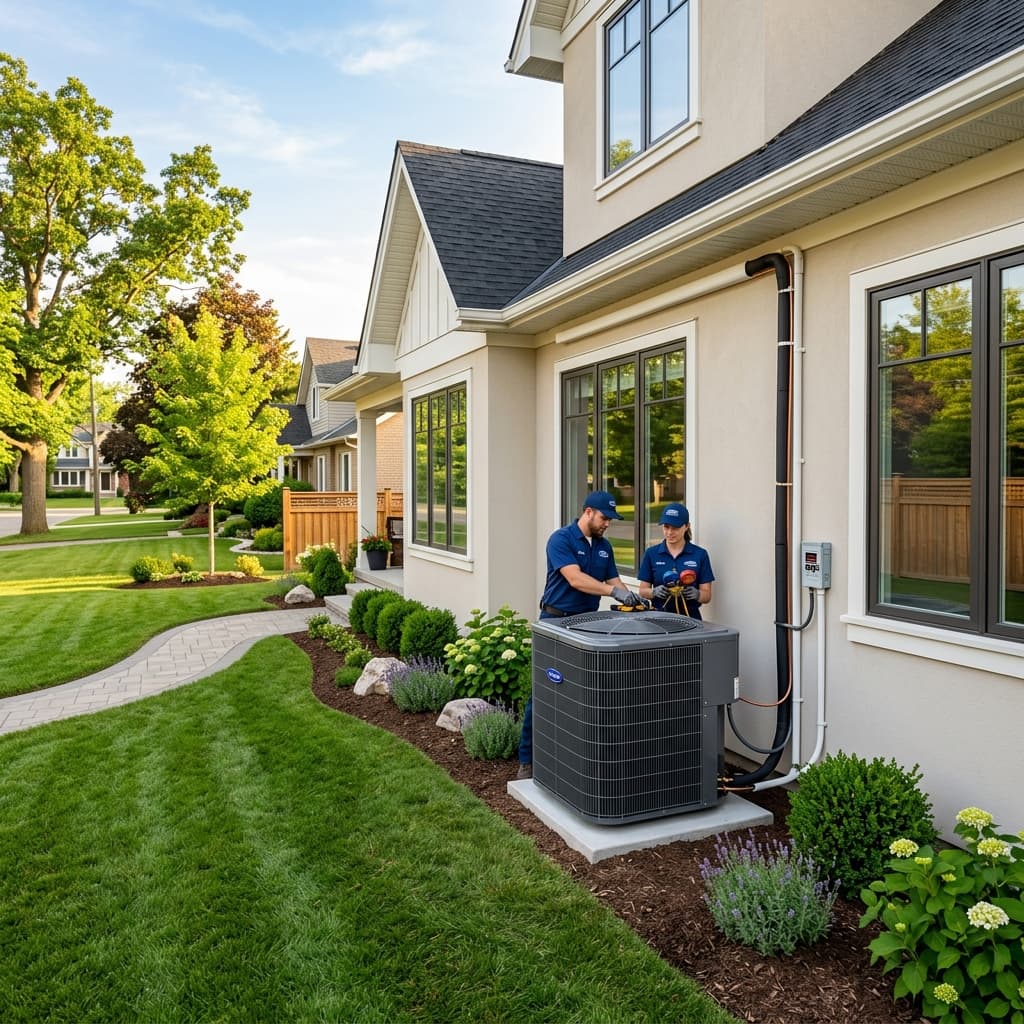
HVAC Sizing Guide 2026: Stop Guessing, Start Calculating
The definitive guide to sizing your air conditioner and furnace in 2026. Learn why the '500 sq ft per ton' rule is obsolete and how Manual J calculations ensure perfect sizing.
Read Article
HVAC 5 Min Read
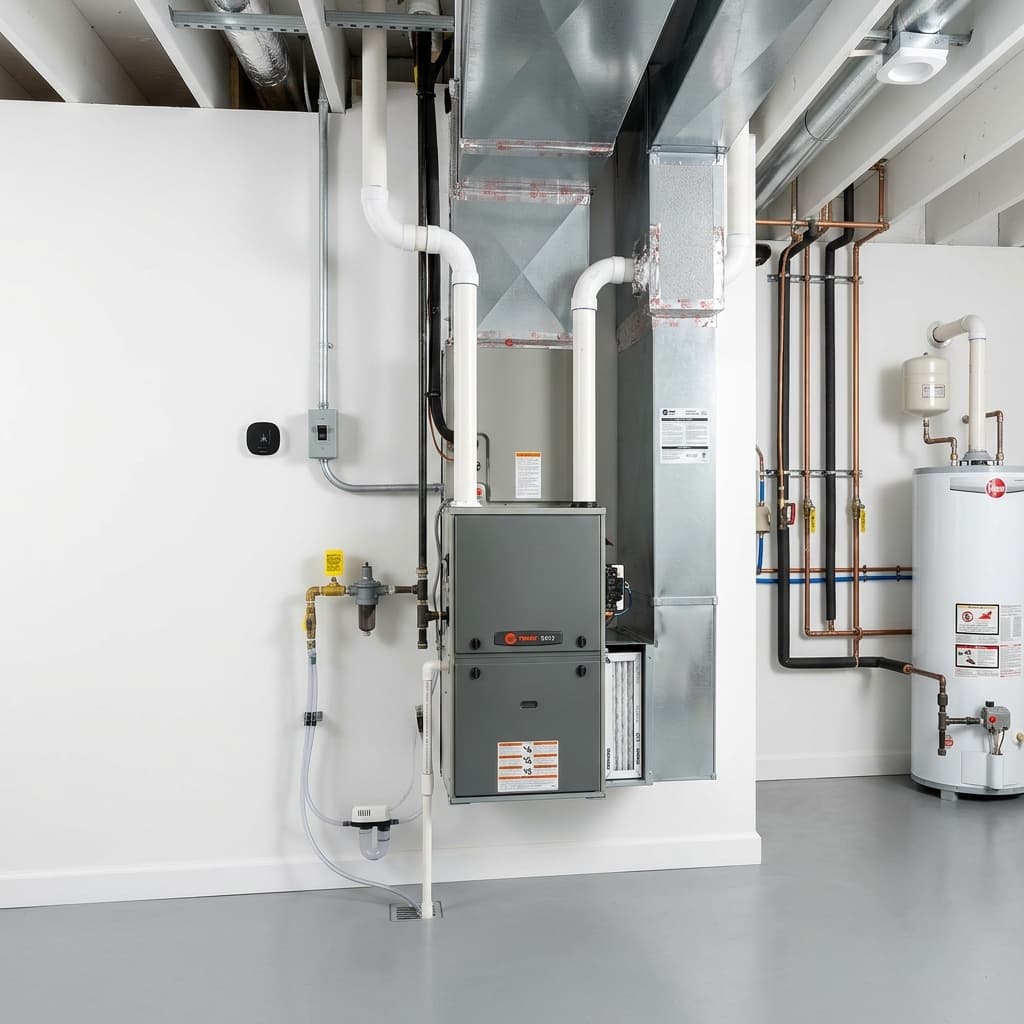
What is AFUE? Understanding Furnace Efficiency Ratings
A complete guide to AFUE (Annual Fuel Utilization Efficiency). Learn what the percentage means, the difference between 80% and 95% furnaces, and how to choose the right one in 2026.
Read Article
HVAC 5 Min Read
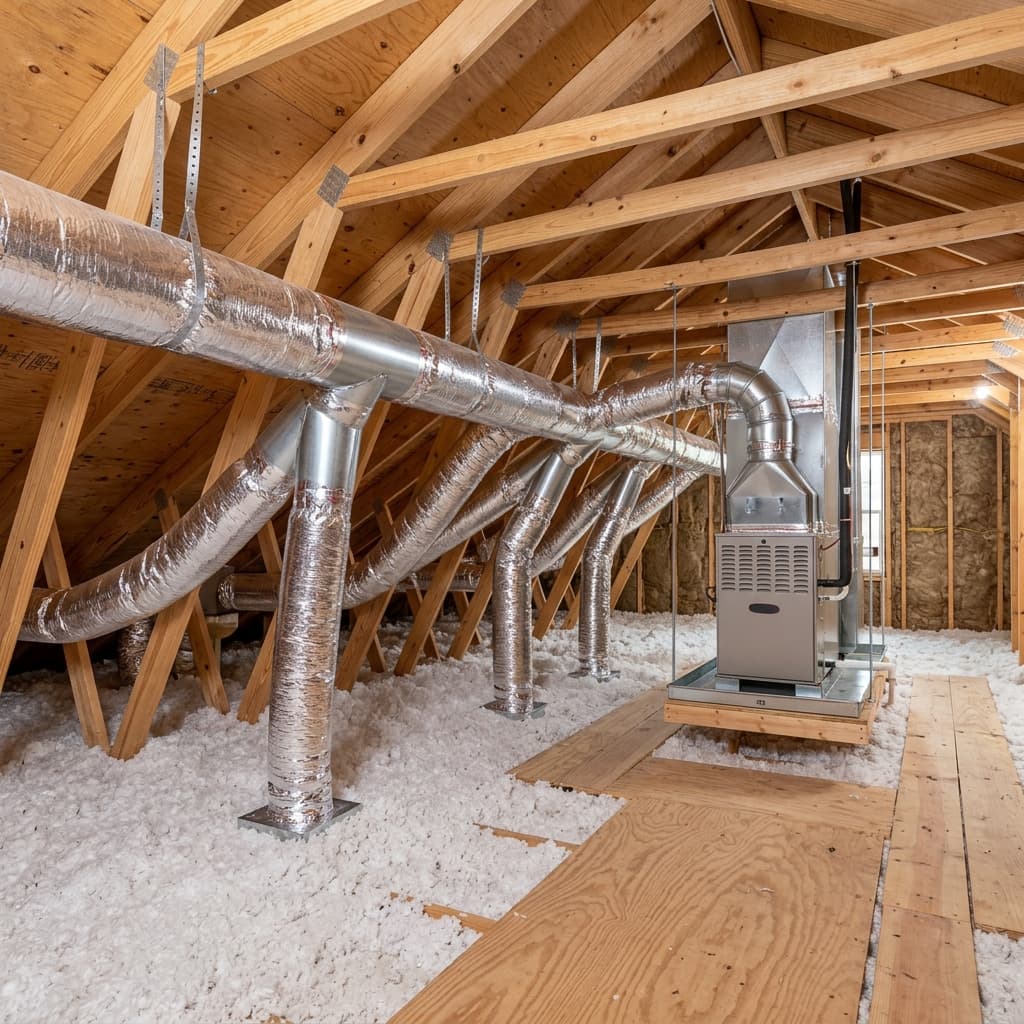
Ductwork Design (Manual D): The Unseen Key to HVAC Performance
Your HVAC system is only as good as its ductwork. Learn what ACCA Manual D is, why it's critical for airflow, and how improper ducts waste thousands in 2026.