

Heat Pump Cost Estimator
Estimate the total installed cost of a new heat pump. Compare prices based on unit size and efficiency (SEER2) to budget for your project. Professional-grade accuracy for your home projects.
How to use this calculator
Estimate the installed cost of a new heat pump. The unit's size (capacity) and its SEER2 rating are major cost factors. This is for budget planning only.
Share This Professional Calculator
Found this helpful? Share it with your network to assist them with their home improvement projects.
Expert Guide to Heat Pump Cost Estimator
Plan your project with precision using our 2026 standardized calculator.
Step-by-Step Instructions
- 1
Step 1: Define Home Square Footage
Enter the total living area that the heat pump will serve. This determines the tonnage of the unit.
- 2
Step 2: Choose Efficiency Level
Select from Standard (14-15 SEER2), High Efficiency (16-18 SEER2), or Ultra High Efficiency (19+ SEER2).
- 3
Step 3: Select System Type
Choose between a standard "Split System" (replaces existing HVAC) or a "Hybrid" (Heat pump with a gas furnace backup).
- 4
Step 4: Factor in Installation Complexity
Include costs for new electrical circuits, ductwork repairs, or structural pads.
- 5
Step 5: Review Total Budget
Review the estimated costs for Equipment, Labor, and the potential impact of Federal Tax Credits.
Pro Tips & Analysis
The most important technical aspect of a heat pump is the HSPF2 Rating (Heating Seasonal Performance Factor). While SEER2 measures cooling efficiency, HSPF2 measures how efficiently the unit provides heat during the winter. In colder climates, a high HSPF2 rating is critical to ensure your electricity bills don't spike when temperatures drop. Modern "Cold Climate" heat pumps can now operate efficiently down to -15°F (-26°C) without relying on expensive "electric heat strips." Our calculator allows you to see the price difference for these advanced models, helping you decide if the extra investment is worth it for your local weather patterns.
Another vital consideration is the Incentive Landscape. The 2022 Inflation Reduction Act (IRA) provides a massive 25C federal tax credit of up to $2,000 for qualifying high-efficiency heat pumps. When combined with local utility rebates (often ranging from $500 to $1,500), the "true cost" of a premium heat pump can often be lower than a basic model. Our tool provides a summary of these potential savings to ensure your budget is accurate. Finally, remember that Installation Quality is the #1 driver of system longevity. A heat pump requires a perfectly balanced refrigerant charge and precise airflow to function correctly. We recommend only using "NATE-Certified" installers who perform a Manual J load calculation before quoting. Our tool provides the budget, but your choice of contractor is what ensures the system lasts for its intended 15-year lifespan.
Scientific Calculation Methodology
Estimated cost is based on unit tonnage multiplied by an efficiency multiplier, plus labor.
Total Cost = (Tons * BaseRate * EffMultiplier) + Labor + Electrical
Practical Example:
A 3-ton standard system: (3 * $1,500 * 1.0) + $4,000 labor = approx $8,500.
Achieving Precision Results
1
If you live in a region that drops below 20°F frequently, ensure you are buying a "Cold Climate" or "Hyper-Heat" model.
2
Always replace the "Indoor Coil" (Evaporator) at the same time as the outdoor unit to ensure they are matched for efficiency.
3
Check if your electrical panel has enough "Amperage" (usually 30-50 amps) to support the new heat pump.
4
Consider a "Dual Fuel" system if you have very cheap natural gas; the system will swap between the pump and the furnace based on the outdoor temperature.
5
Schedule your installation in the "shoulder seasons" (Spring/Fall) to get the best labor rates and fastest service.
Technical Fast Facts
- ✓Heat pumps provide both heating and cooling from a single outdoor unit.
- ✓Cold-climate heat pumps can now maintain capacity down to -5°F (-20°C).
- ✓Federal tax credits offer up to $2,000 for qualified heat pump installations.
- ✓Dual-fuel systems combine a heat pump with a gas furnace for extreme climates.
- ✓Heat pumps are 200-400% efficient compared to 95-98% for gas furnaces.
Expert Q&A
Explore Related Tools
Precision tools to complement your current calculation.
HVAC Load
Free Manual J load calculation. Get accurate BTU requirements for your home to choose the right size furnace and AC system. Avoid costly mistakes.
hvac heating cooling
AC Size (BTU)
Find the perfect air conditioner size. Our BTU calculator helps you determine the right cooling capacity for any room based on size and conditions.
hvac heating cooling
Duct Size
A free HVAC duct sizing calculator to determine the proper duct diameter for your system based on airflow (CFM). Ensure optimal performance.
hvac heating cooling
SEER Savings
Estimate your annual savings by upgrading to a high-efficiency AC unit. See your potential cost reduction and payback period with a new SEER2 system.
hvac heating cooling
In-Depth Guides
Expert insights and advice to help you make informed home decisions.
Read Article
HVAC 5 Min Read
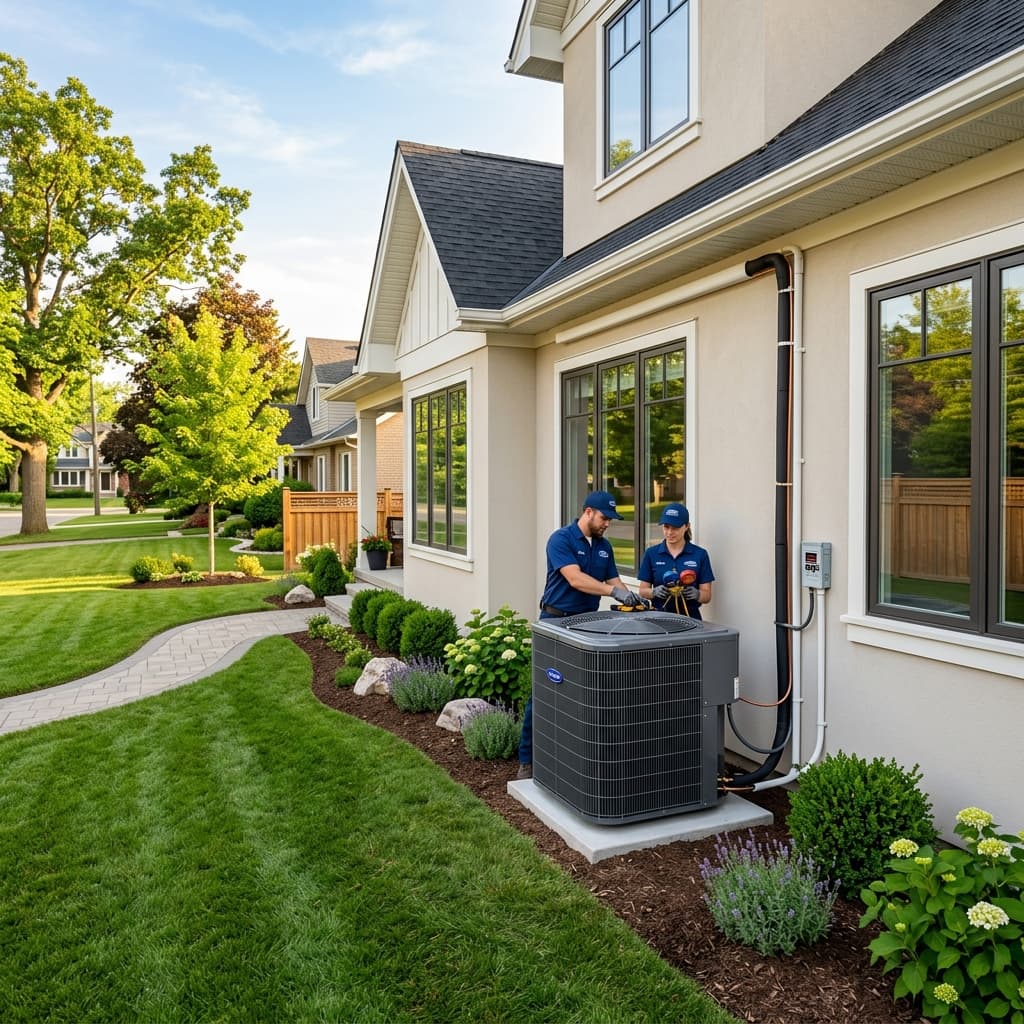
HVAC Sizing Guide 2026: Stop Guessing, Start Calculating
The definitive guide to sizing your air conditioner and furnace in 2026. Learn why the '500 sq ft per ton' rule is obsolete and how Manual J calculations ensure perfect sizing.
Read Article
HVAC 5 Min Read
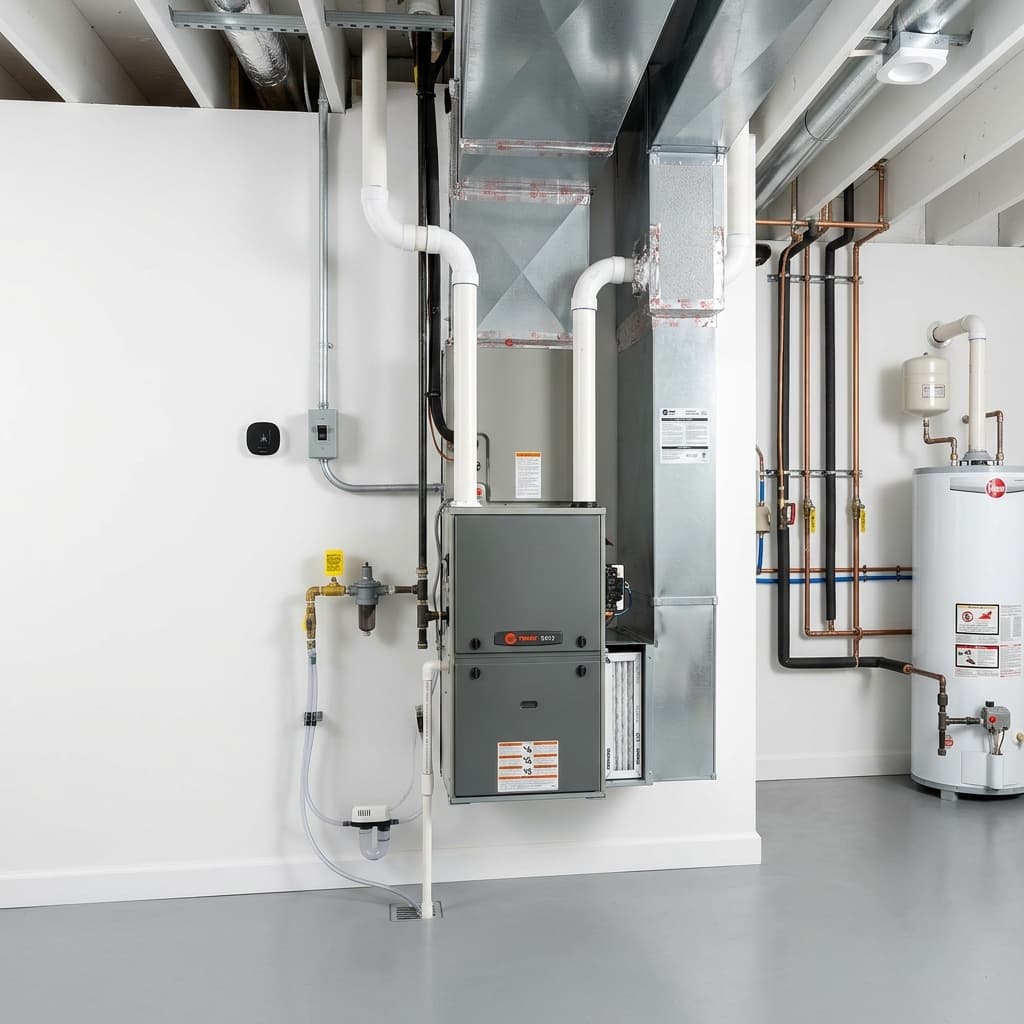
What is AFUE? Understanding Furnace Efficiency Ratings
A complete guide to AFUE (Annual Fuel Utilization Efficiency). Learn what the percentage means, the difference between 80% and 95% furnaces, and how to choose the right one in 2026.
Read Article
HVAC 5 Min Read
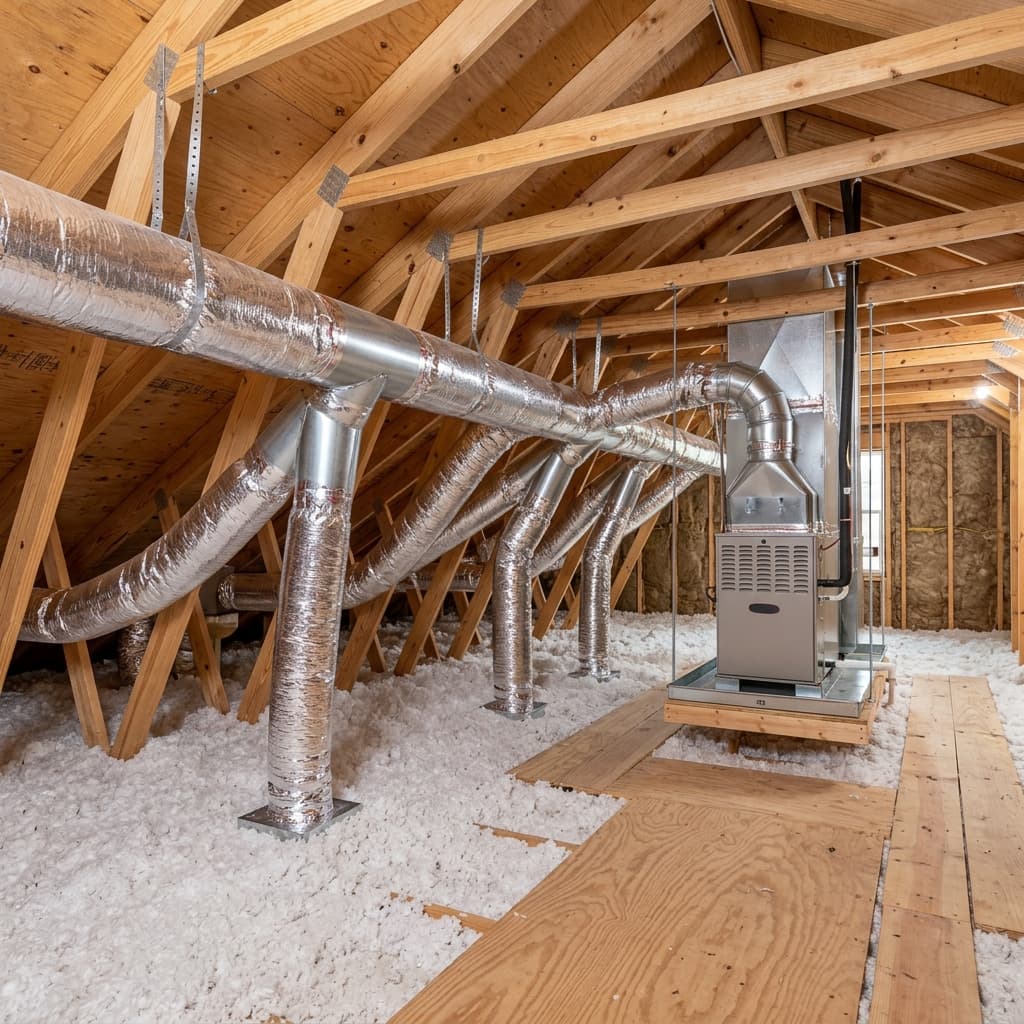
Ductwork Design (Manual D): The Unseen Key to HVAC Performance
Your HVAC system is only as good as its ductwork. Learn what ACCA Manual D is, why it's critical for airflow, and how improper ducts waste thousands in 2026.