

Rebar Calculator
Calculate the total length and weight of steel reinforcement bars needed for concrete slabs, footings, and walls. Professional-grade accuracy for your home projects.
Concrete Calculator
Free concrete calculator. Calculate cubic yards, bags needed, and cost for slabs, footings, and patios. Instant accurate results for rectangular or circular projects.
Share This Professional Calculator
Found this helpful? Share it with your network to assist them with their home improvement projects.
Recommended Professional Tools
Precision-engineered calculators to streamline your most critical home project decisions.
Expert Guide to Rebar
Step-by-Step Instructions
- 1
Step 1: Measure Your Concrete Area
Calculate the length and width of the slab or the total length of the footing.
- 2
Step 2: Define Rebar Spacing
Enter the distance between bars (standard is 12" or 18" on center).
- 3
Step 3: Account for Concrete Cover
Standard code requires rebar to be at least 3 inches away from the earth and 2 inches away from the top/sides of the concrete.
- 4
Step 4: Select Rebar Size
Choose your bar size (e.g., #3 = 3/8", #4 = 1/2", #5 = 5/8"). This determines the weight and structural strength.
- 5
Step 5: Review Total Length and Weight
The tool provides the total linear feet and the weight in pounds or tons.
Pro Tips & Analysis
The most important technical rule for rebar is Placement and Support. Rebar only provides strength if it is suspended in the middle of the concrete. If the steel is sitting on the ground when the concrete is poured, it will eventually rust and provide zero structural benefit. Professionals use "Rebar Chairs" or "Dobbies" (small concrete blocks) to hold the steel at the correct height during the pour. Our calculator helps you determine the amount of steel, but your installation must ensure that there is at least 2-3 inches of "Concrete Cover" on all sides of every bar. This cover prevents moisture from reaching the steel and causing "spalling," where rusting rebar expands and shatters the concrete from the inside out.
Understanding Lap Splices and Tie Wire is your next challenge. Rebar is typically sold in 20-foot lengths. If your project is 30 feet long, you must overlap two bars. The "Lap" length is usually 40 times the diameter of the bar (e.g., a 20-inch lap for #4 rebar). Our calculator includes a 10-15% "lap and waste" factor to ensure you have enough steel for these overlaps. You will also need "Tie Wire" (usually 16-gauge) to secure the bars together at every intersection so they don't shift when the heavy concrete is being poured and vibrated. Finally, remember that rebar comes in different "Grades"—Grade 60 is the most common and offers high tensile strength for most residential and commercial applications. Our tool provides the data, but your Local Building Code will dictate the exact size and spacing required for your specific soil type and structure.
Scientific Calculation Methodology
Total length is (Number of Rows x Length) + (Number of Columns x Width), plus a lap factor.
Practical Example:
A 10x10 slab with 12" grid: (10*10 + 10*10) * 1.15 = 230 linear feet.
Achieving Precision Results
Never use rusty rebar that has "flaking" or "pitting"; light surface rust is fine and actually helps the concrete bond.
Use a "Rebar Bender" or a "Hickey Bar" to create 90-degree hooks at the corners of footings for maximum strength.
Space your rebar chairs every 2-3 feet; if the rebar "sags" between supports, it won't provide proper reinforcement.
Wear heavy gloves when handling rebar; the cut ends and the "ribs" on the bar are extremely sharp.
Verify your rebar placement with the building inspector *before* the concrete truck arrives; you cannot fix it once the pour starts.
Technical Fast Facts
- ✓#4 rebar has a 1/2-inch diameter and is the residential standard.
- ✓Rebar only provides strength when suspended in the center of the concrete.
- ✓Lap splices should overlap by at least 40 times the bar diameter.
- ✓Standard concrete cover for rebar in contact with earth is 3 inches.
- ✓Grade 60 steel is the most common for modern construction reinforcement.
Expert Q&A
Explore Related Tools
Precision tools to complement your current calculation.
Driveway Materials
Estimate gravel, concrete, or asphalt needed for a new driveway. Includes base material and top layer calculations.
Concrete
Calculate concrete volume in cubic yards and bags. Our concrete slab calculator makes it easy to estimate materials for your patio or footing.
Gravel
Calculate the amount of gravel or crushed stone you need. Get project estimates in cubic yards and tons for any landscape or driveway project.
Roofing Materials
Estimate your roofing materials needs. Calculate the number of shingle bundles and roofing squares required based on your roof's area and pitch.
In-Depth Guides
Expert insights and advice to help you make informed home decisions.

Foundation Footing Depth for Cold Climates: 2026 IRC Rules
A deep dive into 2026 IRC requirements for foundation footings in cold climates. Learn about frost line maps, thickened slab edges, and protecting foundations from frost heave.
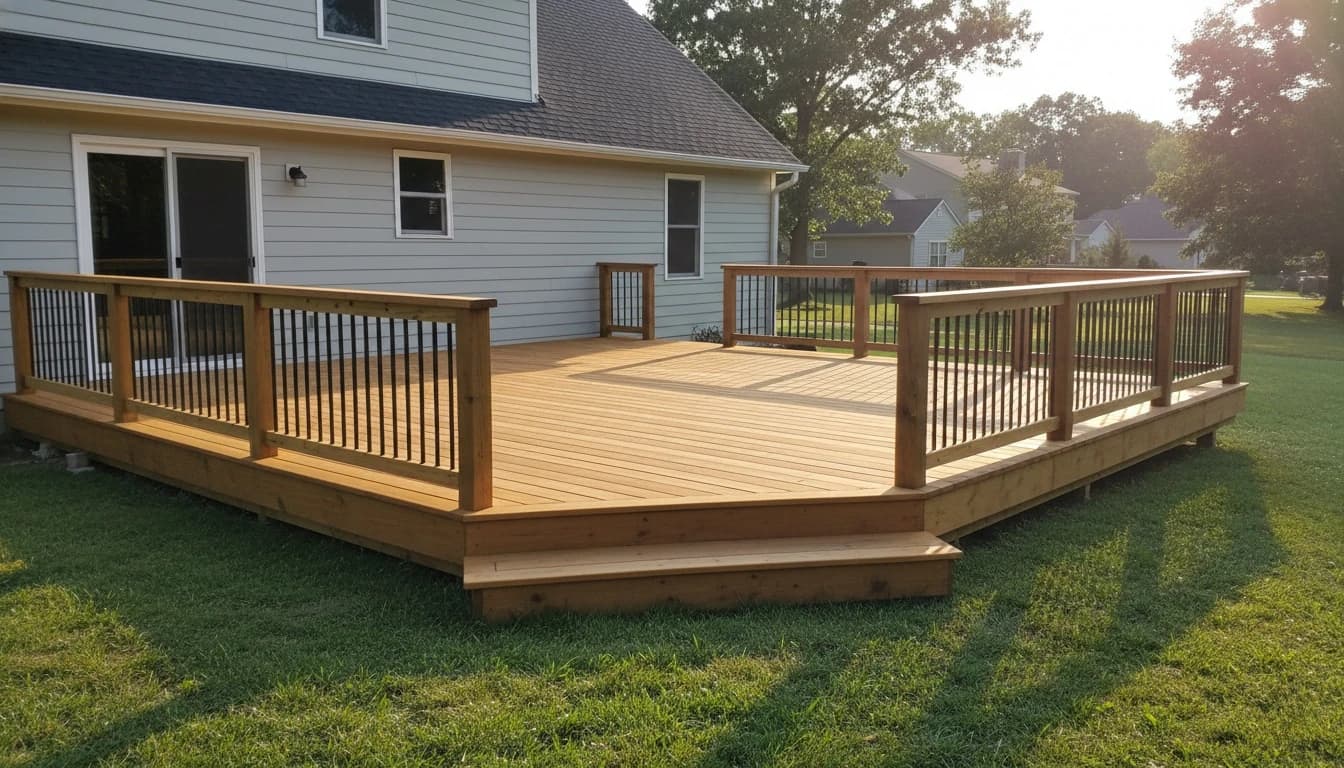
Deck Footing Depth 101: 2026 Guide to Digging Below the Frost Line
Learn the fundamental rule for deck construction in 2026: digging footings below the local frost line. We cover 2026 IRC requirements.
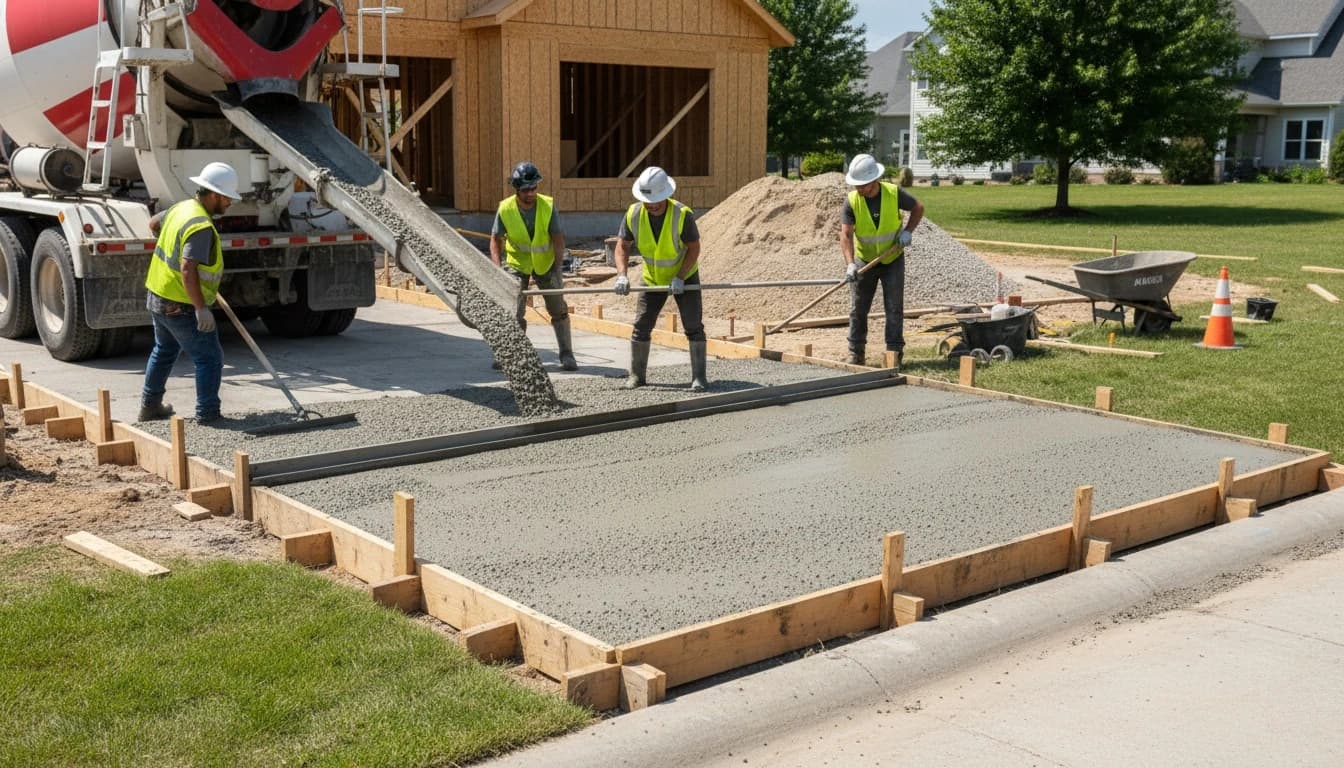
How to Calculate Concrete: The Ultimate 2026 Material Guide
Master concrete volumetric math for slabs, footings, and stairs in 2026. Learn the 10% waste rule and how to choose between ready-mix and bags.