

Stair Calculator
Calculate stair stringer length, rise, and run for your deck or home project. Ensures your stairs meet local building codes for safety. Professional-grade accuracy for your home projects.
Share This Professional Calculator
Found this helpful? Share it with your network to assist them with their home improvement projects.
Recommended Professional Tools
Precision-engineered calculators to streamline your most critical home project decisions.
Expert Guide to Stair
Step-by-Step Instructions
- 1
Step 1: Measure Total Rise
Measure the exact vertical distance from the lower floor surface to the upper floor surface. This is the most critical measurement.
- 2
Step 2: Select Target Riser Height
Input your desired step height (standard is 7 inches). The calculator will adjust this slightly to ensure every step is identical.
- 3
Step 3: Define Tread Depth
Choose how deep the steps will be (standard is 10-11 inches). This determines the "total run" or horizontal footprint of the stairs.
- 4
Step 4: Account for Tread Thickness
If you are adding a 1-inch wood tread on top of the stringer, the calculator needs this to adjust the first and last step correctly.
- 5
Step 5: Review Stringer Length
The tool provides the total length of the 2x12 lumber you need to buy for your stringers.
Pro Tips & Analysis
The most important rule in stair building is Uniformity. The human brain quickly "maps" the height of the first few steps; if any subsequent step varies by more than 3/8 of an inch, the user is likely to trip. This is why our calculator divides the total rise into an even number of steps, often resulting in a fractional riser height like 7-1/8 inches. Never round these numbers to the nearest whole inch; use a "story pole" or a precise tape measure to layout your stringer cuts. Additionally, pay attention to the "7-11 Rule": for maximum comfort, a riser should be no more than 7.75 inches and a tread should be at least 10-11 inches deep. This balance ensures the stairs aren't too steep or too shallow for an average adult stride.
Construction of the Stair Stringer is another critical area. For most residential stairs, "Cut Stringers" are made from 2x12 pressure-treated lumber (for decks) or high-grade pine (for indoors). You should never use 2x10s for stringers, as the "throat" of the board (the uncut part) will be too thin to support the weight of a person safely. For stairs wider than 36 inches, you must use at least three stringers—one on each side and one in the middle—to prevent the treads from bowing or "bouncing" when walked upon. Our calculator provides the "Stringer Angle" to help you set your miter saw or layout your framing square. Finally, don't forget about Headroom and Handrails. Most codes require at least 6'8" of vertical clearance above every step and a handrail between 34 and 38 inches high. Our tool helps you with the steps, but these secondary safety features are what make your staircase professional and legal.
Scientific Calculation Methodology
The number of steps is Total Rise divided by Target Riser. Stringer length is the hypotenuse of Total Rise and Total Run.
Practical Example:
A 100-inch total rise: 100 / 7.25 = 13.79 (round to 14 steps). Each riser = 100 / 14 = 7.14 inches.
Achieving Precision Results
Use "Stair Gauges" (small brass hex nuts) on your framing square to ensure every riser and tread cut is identical.
Subtract the tread thickness from the bottom of the stringer so the first step isn't taller than the others.
Apply construction adhesive to the top of the stringer before screwing down the treads to prevent squeaking.
If your stairs are outdoors, slightly "pitch" the treads forward (about 1/8") to allow water to drain off.
Check local codes for "Landing" requirements; usually, you need a level landing every 12 feet of vertical rise.
Technical Fast Facts
- ✓7.75 inches is the maximum riser height allowed by residential code.
- ✓Every step in a flight must be identical to within 3/8-inch to prevent trips.
- ✓Tread depth should be at least 10 inches for safety and comfort.
- ✓Stair stringers should be made from 2x12 lumber for structural strength.
- ✓A landing is required for any vertical rise exceeding 12 feet.
Expert Q&A
Explore Related Tools
Precision tools to complement your current calculation.
Driveway Materials
Estimate gravel, concrete, or asphalt needed for a new driveway. Includes base material and top layer calculations.
Concrete
Calculate concrete volume in cubic yards and bags. Our concrete slab calculator makes it easy to estimate materials for your patio or footing.
Gravel
Calculate the amount of gravel or crushed stone you need. Get project estimates in cubic yards and tons for any landscape or driveway project.
Roofing Materials
Estimate your roofing materials needs. Calculate the number of shingle bundles and roofing squares required based on your roof's area and pitch.
In-Depth Guides
Expert insights and advice to help you make informed home decisions.
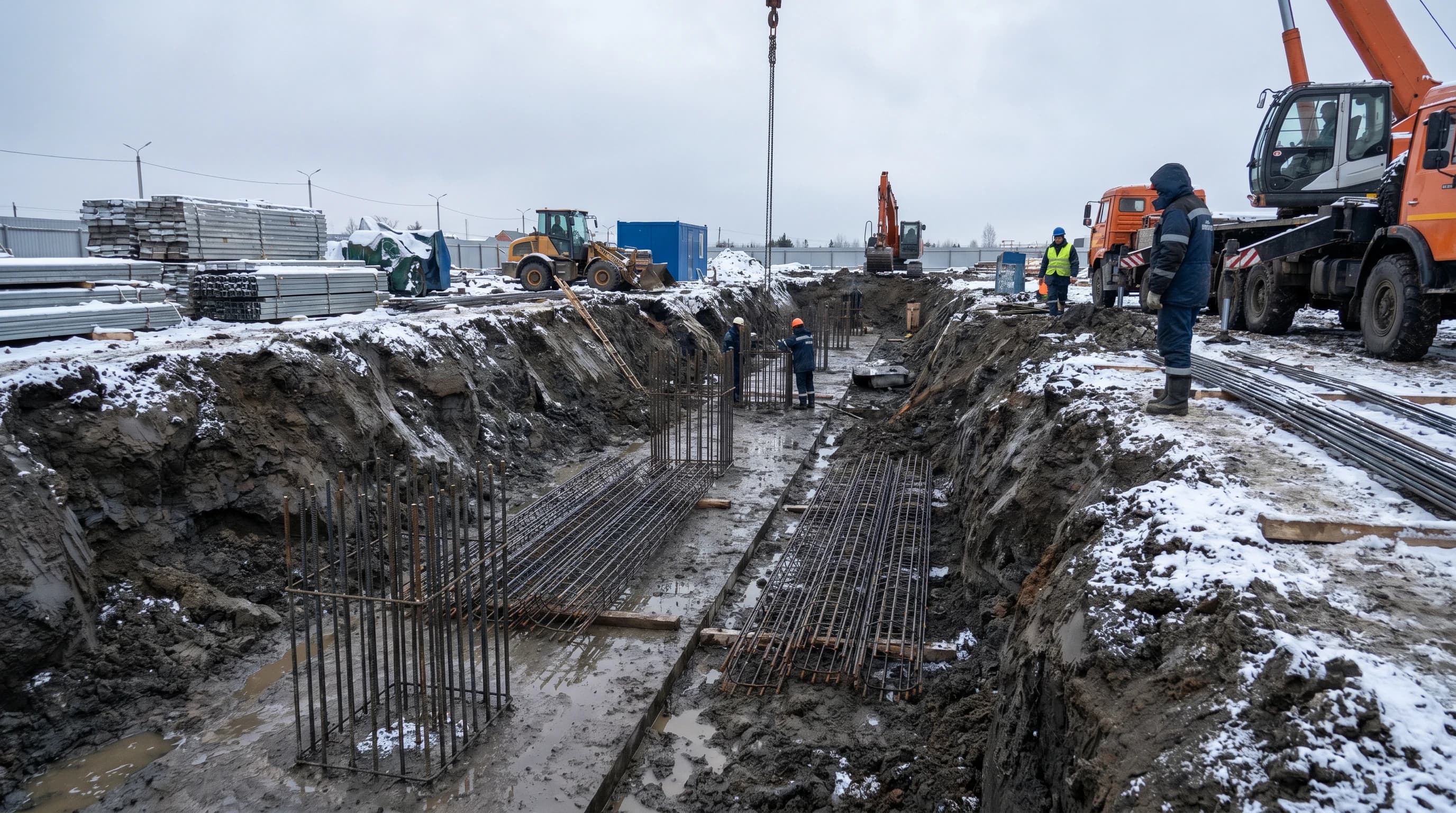
Foundation Footing Depth for Cold Climates: 2026 IRC Rules
A deep dive into 2026 IRC requirements for foundation footings in cold climates. Learn about frost line maps, thickened slab edges, and protecting foundations from frost heave.
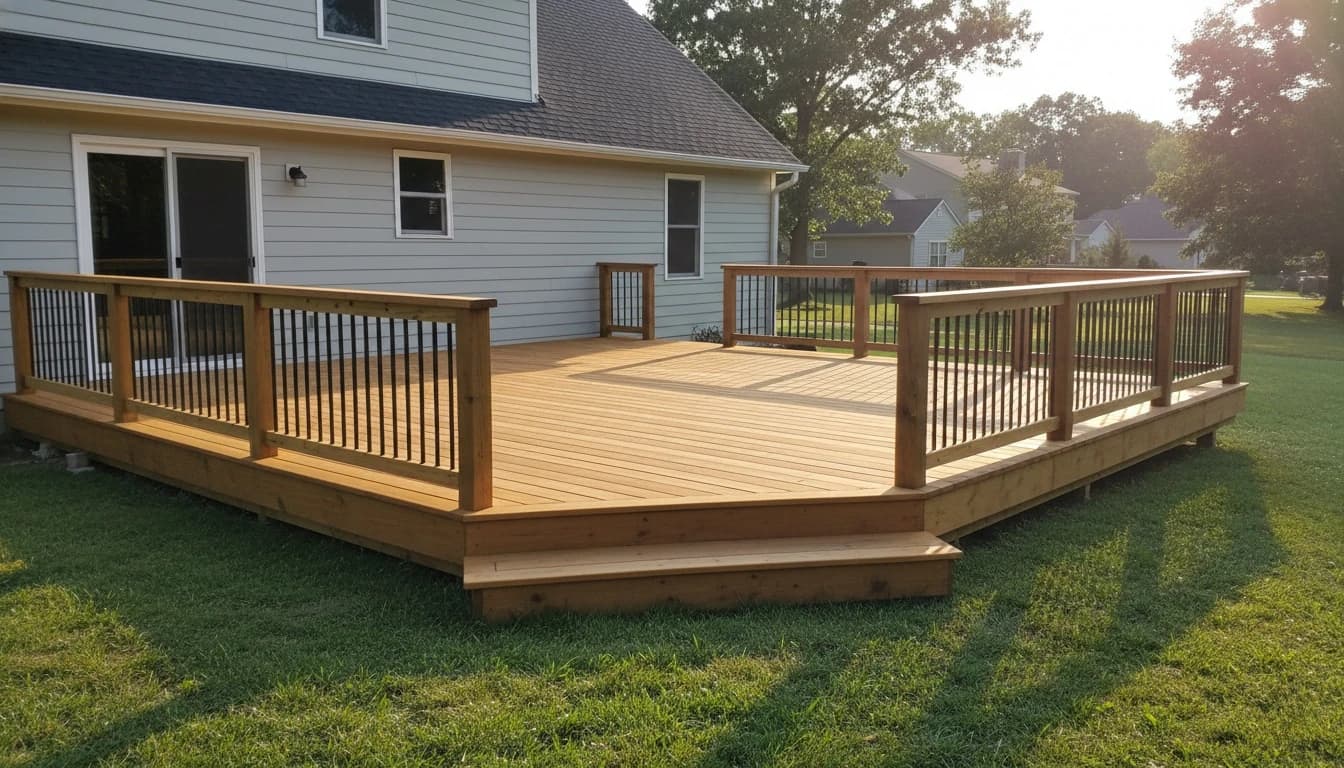
Deck Footing Depth 101: 2026 Guide to Digging Below the Frost Line
Learn the fundamental rule for deck construction in 2026: digging footings below the local frost line. We cover 2026 IRC requirements.
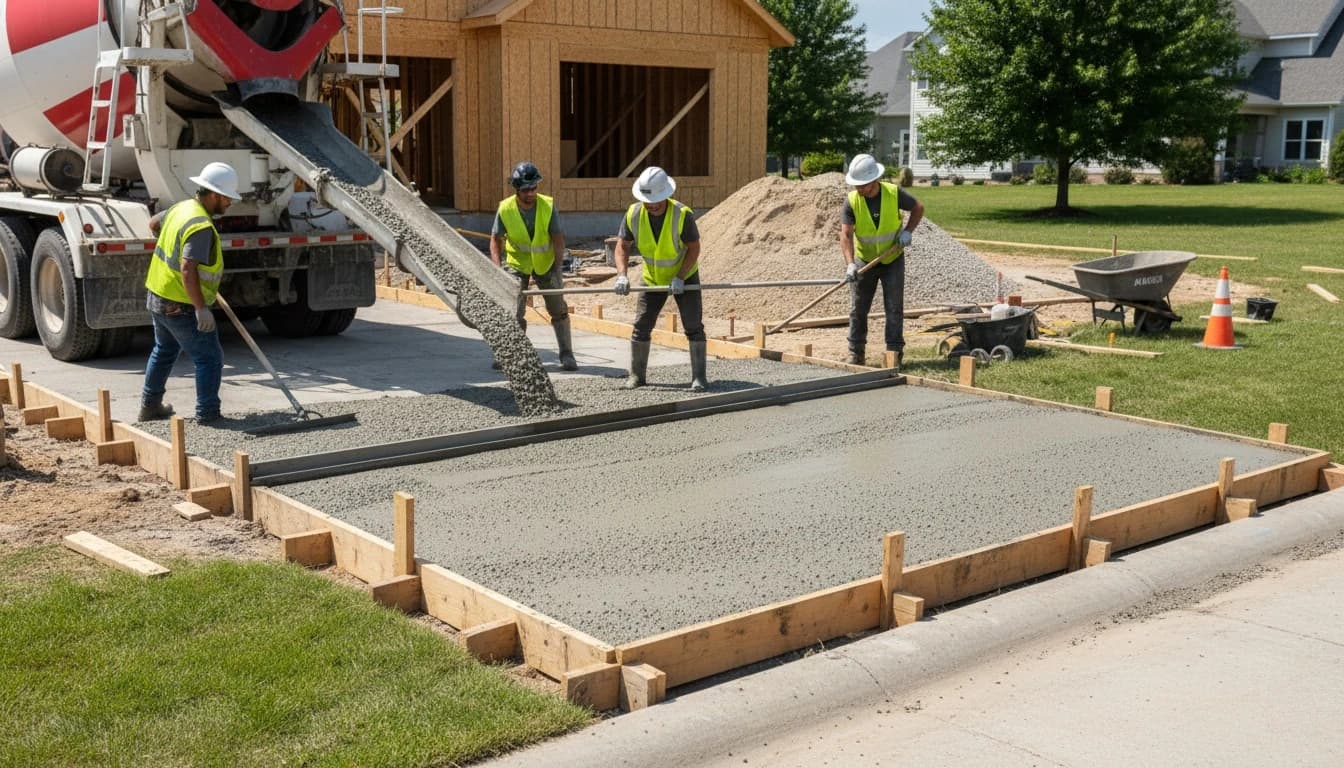
How to Calculate Concrete: The Ultimate 2026 Material Guide
Master concrete volumetric math for slabs, footings, and stairs in 2026. Learn the 10% waste rule and how to choose between ready-mix and bags.