

Window Replacement Cost
Budget for new windows. Estimate the cost of replacement windows based on frame material, glass type, and installation complexity. Professional-grade accuracy for your home projects.
Share This Professional Calculator
Found this helpful? Share it with your network to assist them with their home improvement projects.
Recommended Professional Tools
Precision-engineered calculators to streamline your most critical home project decisions.
Expert Guide to Window Replacement Cost
Step-by-Step Instructions
- 1
Step 1: Enter Window Count
Input the total number of windows you plan to replace. Buying in bulk (10+ windows) often qualifies you for "whole house" discounts.
- 2
Step 2: Select Frame Material
Choose from Vinyl (budget), Composite/Fiberglass (mid-range), or Wood (premium). This is the biggest factor in the per-window price.
- 3
Step 3: Choose Glass Type
Select between Double Pane (standard) or Triple Pane (high efficiency). Look for "Low-E" coatings and Argon gas fills for maximum ROI.
- 4
Step 4: Pick Installation Method
Choose "Pocket Replacement" (fits into existing frame) or "Full Frame Replacement" (replaces the entire window unit and trim).
- 5
Step 5: Review Estimated Budget
Get an itemized total including windows, labor, and a disposal fee for your old units.
Pro Tips & Analysis
The key to window ROI is the Energy Factor. Windows are the weakest point in your home's "thermal envelope." In the winter, they lose heat; in the summer, they allow solar heat to enter. Modern windows use "Low-E" (Low Emissivity) coatings—microscopic metal layers that reflect heat back to its source. A high-quality Low-E window can reduce your energy bills by 10-15% annually. Our calculator factors in the price of these glass upgrades so you can see the "payback period." Another vital consideration is U-Factor and SHGC. The U-Factor measures how well the window prevents heat from escaping, while the SHGC (Solar Heat Gain Coefficient) measures how much heat from the sun it lets in. For cold climates, you want a low U-Factor; for warm climates, a low SHGC is more important. Our tool uses 2026 averages to ensure your estimate reflects the cost of these high-performance options.
Understanding the Installation Quality is just as important as the window itself. Even a $2,000 window will leak air and water if it isn't flashed and caulked correctly. We recommend "Full Frame Replacement" for older homes, as it allows the installer to check for rot in the wall studs and replace the "rough opening" flashing. While it costs about 50% more than a "Pocket" installation, it provides a much better seal and a more finished look. Our calculator allows you to toggle between these methods to see the impact on your labor budget. Finally, don't overlook Local Rebates. Many utility companies and government programs (like the Inflation Reduction Act) offer tax credits up to $600 per year for Energy Star certified window replacements. Our tool helps you get the quote ready for these incentives, ensuring your home is more comfortable and your wallet is fuller.
Scientific Calculation Methodology
Total cost is calculated as Window Count x (Material Price + Labor Rate) based on selected options.
Practical Example:
10 Vinyl windows ($450 each) + Double Pane ($100) + Installation ($250) = $8,000 total.
Achieving Precision Results
Get at least three quotes, but make sure they are for the same "Specifications" (e.g., all Double Pane Vinyl) so you can compare "apples to apples."
Check for the "AAMA" or "NFRC" certification stickers on the window; these prove the window has been independently tested for performance.
Avoid "Lifetime Warranties" that aren't backed by a manufacturer; a local installer's "lifetime" only lasts as long as they stay in business.
Schedule your replacement for the "shoulder seasons" (spring or fall) when installers are less busy and the weather is mild.
If you live near a busy road, ask about "STC Rated" (Sound Transmission Class) glass to significantly reduce exterior noise.
Technical Fast Facts
- ✓Low-E coatings reflect heat back to its source, saving 10-15% on bills.
- ✓Double-pane windows with Argon gas are the best value for most climates.
- ✓Full-frame replacement is better than pocket replacement for older homes.
- ✓Window installation quality is as important as the window brand.
- ✓Modern vinyl windows can last 20-40 years with minimal maintenance.
Expert Q&A
Explore Related Tools
Precision tools to complement your current calculation.
Paint
Estimate how much paint you need. Calculate the gallons of paint required for your walls, ceiling, and trim for any room in your house.
Flooring
Calculate the square footage of flooring needed for your project. Works for tile, laminate, or hardwood, including a vital waste factor.
Siding
Estimate the total siding material needed for your home. Calculate the squares of vinyl, fiber cement, or wood siding for your project.
Wallpaper
Calculate the number of wallpaper rolls you need. Our estimator accounts for pattern repeat and waste, ensuring you buy the right amount.
In-Depth Guides
Expert insights and advice to help you make informed home decisions.

Paint Calculator Truth: Why 'Coverage' on the Can is Usually Wrong in 2026
Discover why the square footage on the paint can is a best-case scenario and how to calculate your real-world needs in 2026.
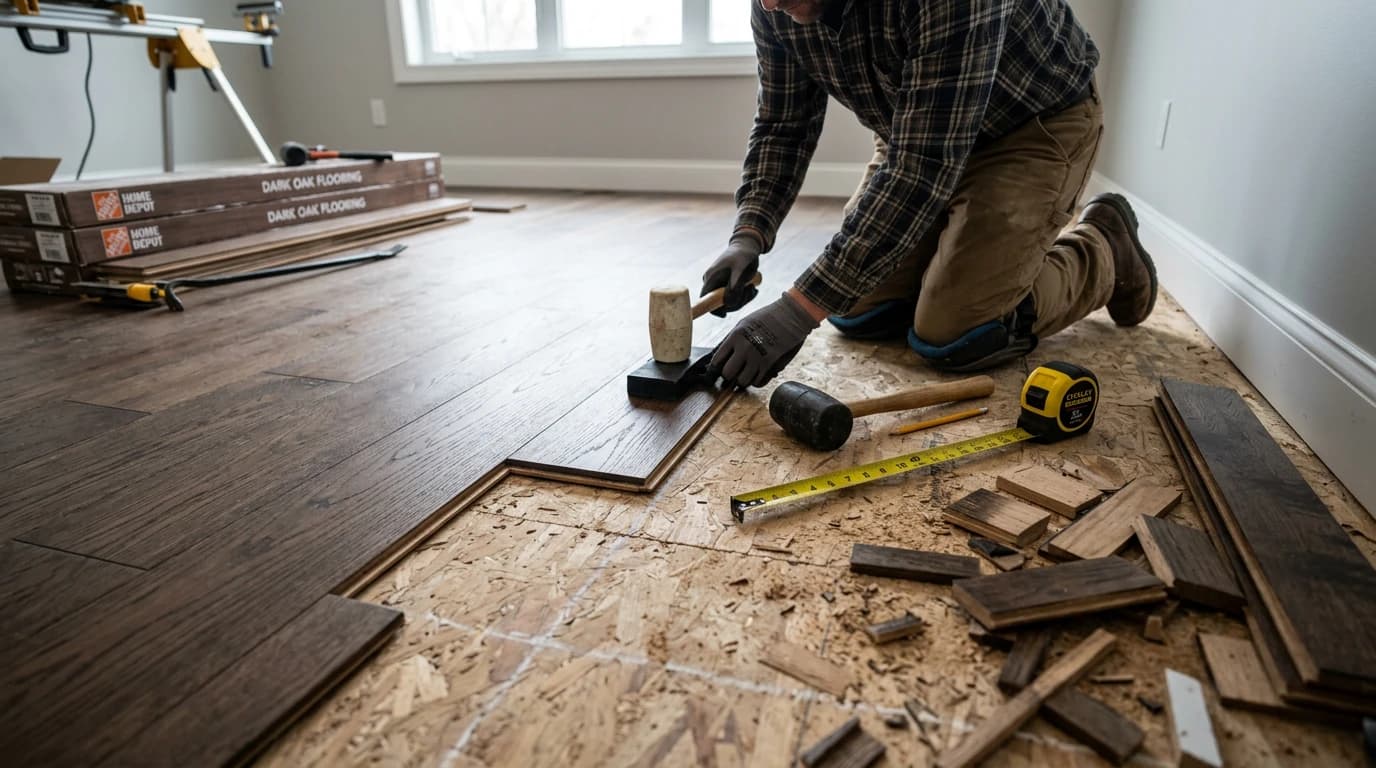
Flooring Waste Factor: Why You Need 10-15% Extra in 2026
Don't run out of flooring in 2026. Learn why you need 10-15% extra for waste, and why diagonal patterns or tile can require 20% or more.
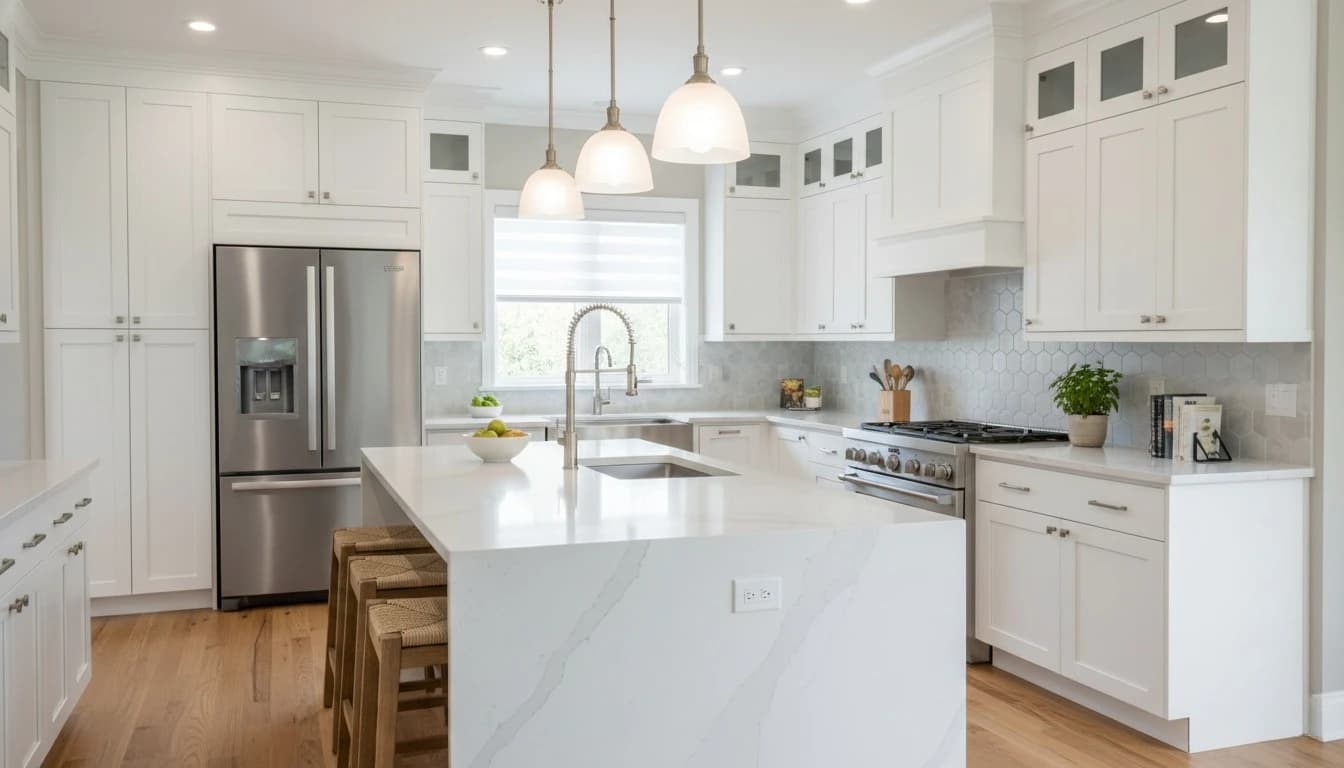
Kitchen Remodel Cost Guide 2026: Budgeting for Your Dream Space
The complete breakdown of kitchen renovation costs in 2026. From custom cabinetry to smart appliances, know where every dollar goes.